If you’re in charge of a municipal fleet, sanitation department, or private waste company, you know how important it is to have the right tools to get the job done easily and efficiently. When it comes to choosing the right refuse truck, the body style is the first consideration. You’ll need to pick between a front loader, a side loader, or a rear loader.
Remember, when picking the right refuse truck body, it’s not just about picking what looks best or what’s cheapest. It’s about selecting the truck that suits your routes, crew, and budget.
The wrong choice? That can slow your operations, frustrate your drivers, and rack up costs fast.
In this article, we’ll break everything down in plain English. We won’t give you fluff or jargon. Instead, our goal is to provide you with real-world info to help you pick the truck body that makes the most sense for your operation.
What’s a Refuse Truck Body?
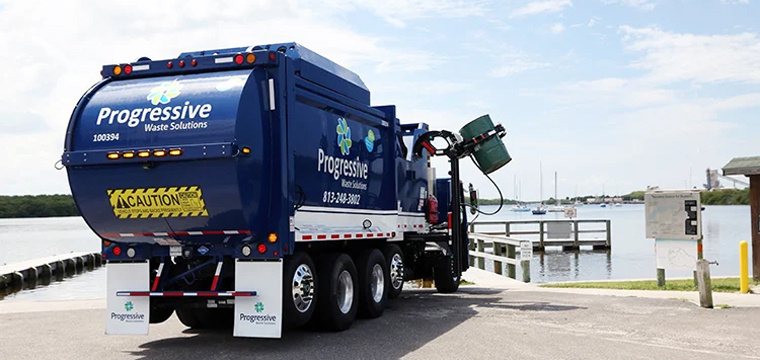
If you’re already knee-deep in fleet planning, skip ahead. But if you’re new to the game or just want a refresher, the refuse truck body is the back part of the garbage truck where the magic happens. It’s where trash is collected, compacted, and held until it’s dumped at a landfill or transfer station.
Different body styles work in different ways, and each has its pros and cons depending on what you’re picking up and where you’re driving.
Rear Loaders: The Classic Refuse Truck Body
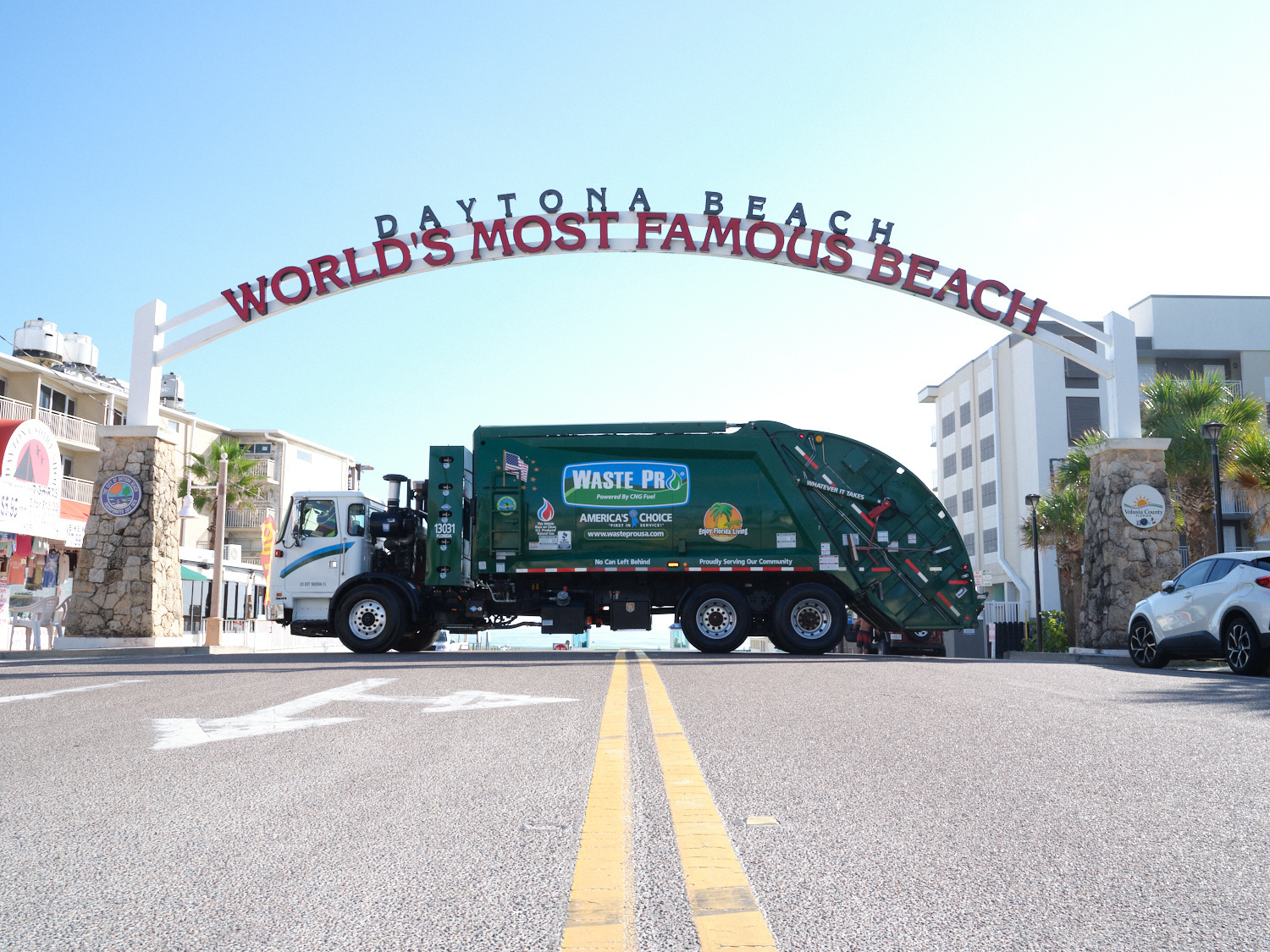
Let’s start with the old reliable and truly classic rear loaders. These trucks have been around forever, and for good reason. They’re straightforward, easy to train on, and can go just about anywhere.
Real loaders are great for alleyways and tight neighborhoods. They’re compact and can navigate narrow streets with ease. The trucks come equipped with flexible loading, and workers can load trash manually or toss it in bags and bins from any side of the rear.
Without a doubt, the rear loader is perfect for bulk items. Got mattresses, couches, or yard waste? Rear loaders eat that stuff up with ease.
Typically, it’s easier to find drivers since they don’t require special automation training. You’ll have a wider pool of people who can hop behind the wheel. These trucks usually require two or three crew members, one to drive, and others to collect.
The main drawback is that rear loaders are slower on the route. The process of manual loading can drag out the route’s time, which can pose a problem in high-volume neighborhoods.
If you’ve got dense residential neighborhoods with all kinds of trash, or you’re running seasonal cleanup programs, rear loaders still have a solid place in your lineup.
Front Loaders: Built for Big Loads
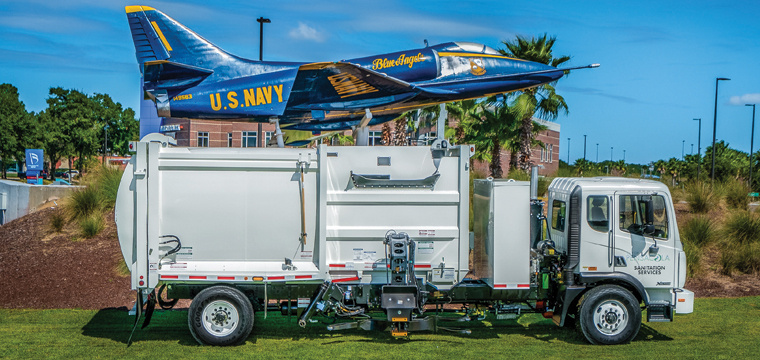
Now, if you’re serving commercial customers, think shopping centers, office buildings, restaurants, front loaders are likely your go-to.
These bad boys use big forks to pick up dumpsters from the front and dump the contents over the cab into the hopper.
If you’re seeking a truck that’s perfect for commercial routes, then look no further than a front loader. They are designed to lift heavy, consistent waste from dumpsters with ease.
Fast and efficient because the trucks require only one driver, one route, and minimal stops.
The truck’s design also means fewer injuries because of one’s lifting anything. They just push a button and go. This truck is less messy because your workers will have less contact with the waste.
Sadly, this truck’s design is not great in tight spots. The trucks need space to approach and lift from the front. They are also expensive, so you’ll pay a higher price tag compared to rear loaders. The limited flexibility makes the trucks ideal for odd-shaped or curbside pickups.
But when it comes to volume and speed, front loaders shine. They’re a no-brainer if your focus is commercial or multi-family routes where uniform dumpsters are the norm.
Side Loaders: The Automation Ace
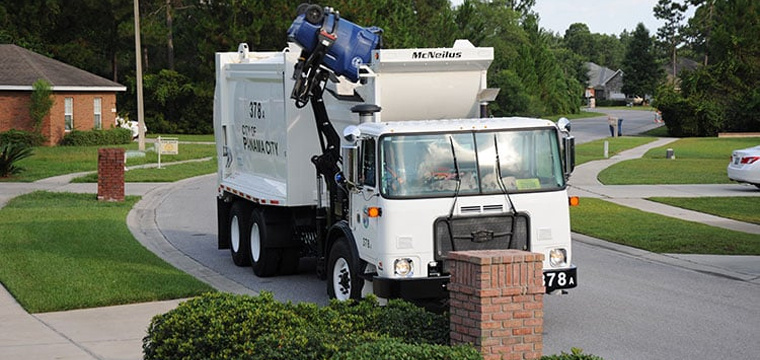
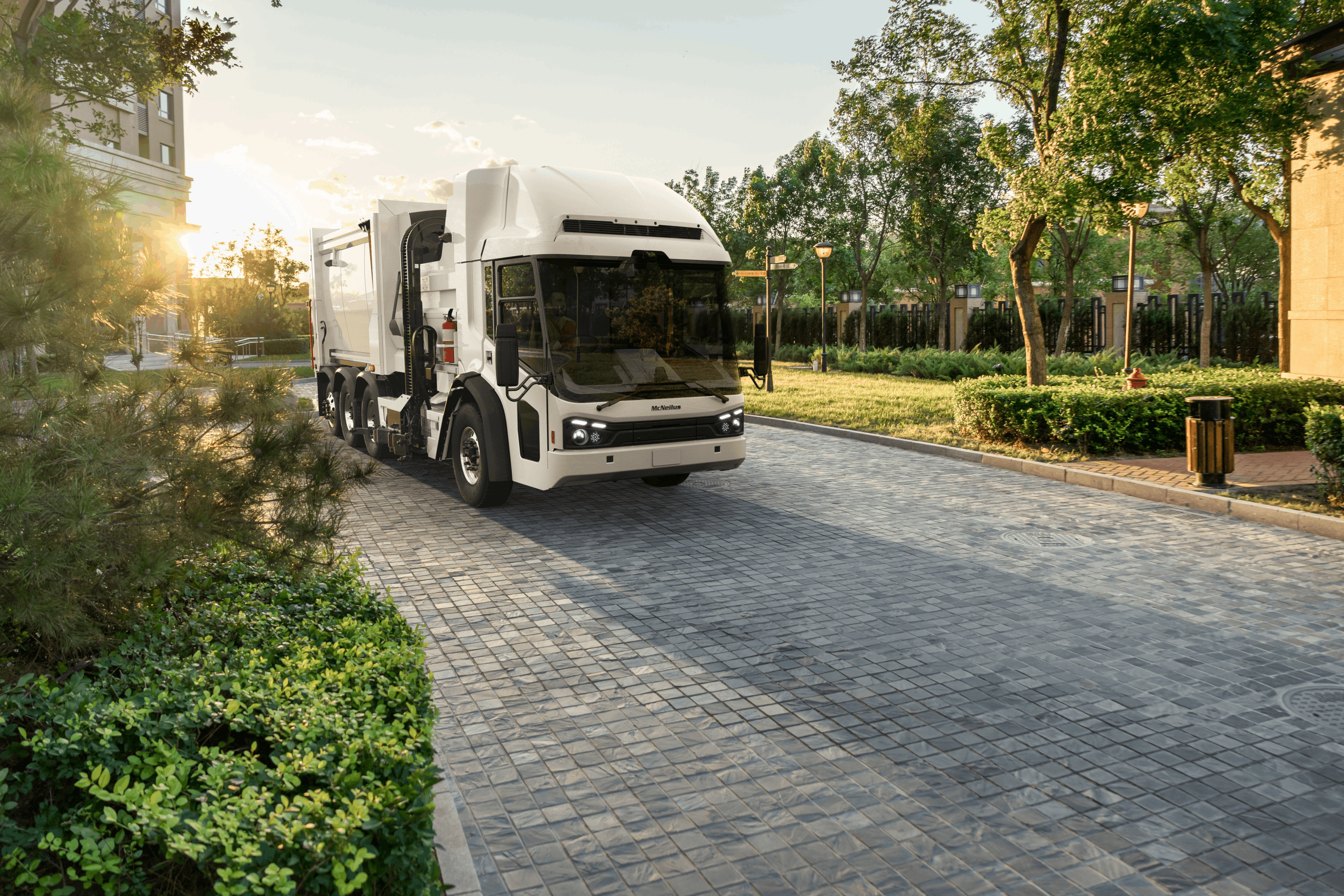
Now let’s talk about the modern favorite, side loaders. These trucks are often fully automated and allow the driver to collect trash without even leaving the cab.
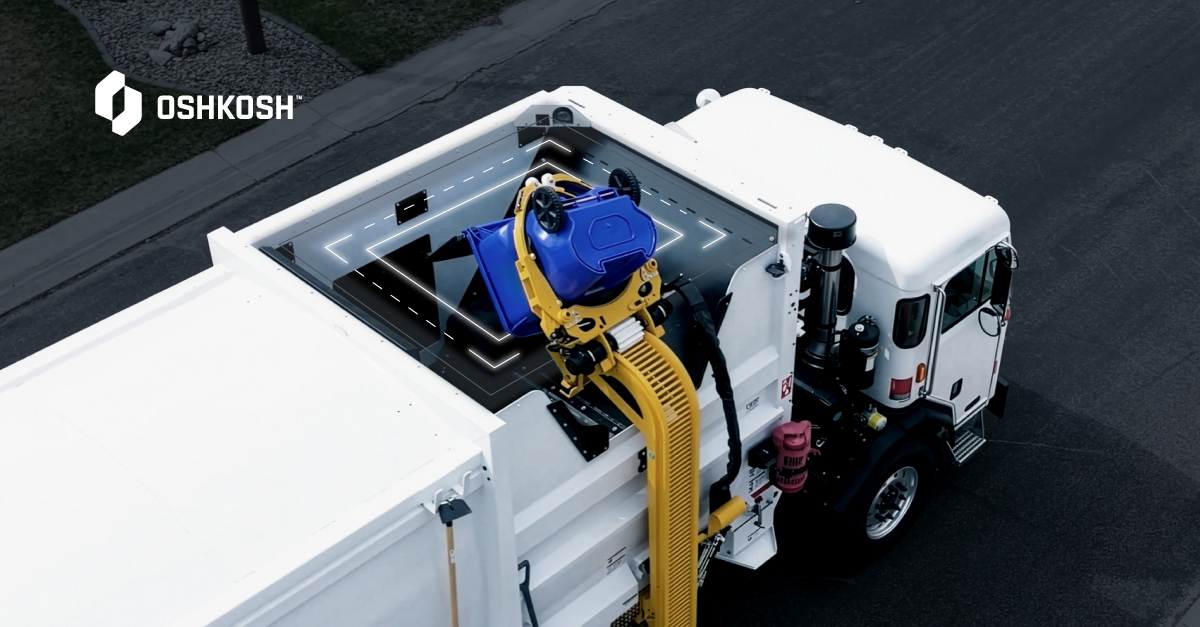
There are two types: automated side loaders (ASLs) and manual side loaders. ASLs use a mechanical arm to grab and empty standardized carts, while manual versions still require a person to do the lifting.
The side loader is great for residential neighborhoods. Especially in areas with standard carts and wide streets. It can be operated by a single person, which cuts down on labor costs and helps you avoid hiring headaches.
Because drivers stay in the cab, you’ll experience faster, cleaner pickups. The process can speed things up and keep them safe.
The truck’s appearance is typically cleaner with less spillage and more consistent performance.
One thing to think about is the fact that carts must be placed correctly. If residents don’t line them up just right, then the carts could get damaged.
Another drawback is the expensive maintenance because the mechanical arm is high-tech and requires high maintenance.
The design of the truck makes it not ideal for bulk or overflow. With tons of loose trash, a side loader can struggle.
Side loaders are a fleet manager’s dream for planned, predictable neighborhoods with organized pickup systems. But if you’ve got bulk waste or irregular trash, you might need something more flexible.
So, Which One Should You Choose?
Alright—let’s get real. There’s no one-size-fits-all answer here. But you can make a smarter decision by looking at a few key factors:
What kind of trash are you picking up?
- Residential trash contained in carts? → Side loader.
- Lots of bulk and yard waste? → Rear loader.
- Dumpster-heavy commercial routes? → Front loader.
How many people are on your crew?
- Short on labor or dealing with high turnover? Side loaders win for solo operation.
- Have a solid team and don’t mind extra hands? Rear loaders are dependable.
- Want to keep it simple and contained? Front loaders are efficient and clean.
What kind of streets are you servicing?
- Narrow alleys or older neighborhoods? Rear loaders can handle tight spaces.
- Wide, suburban streets with organized carts? Side loaders thrive.
- Large lots or back-alley dumpsters? Front loaders get in, get out.
What’s your budget?
When choosing the right refuse truck, remember that rear loaders are usually the most affordable upfront. Front and side loaders are bigger investments, but they can save money long-term through labor efficiency and faster routes.
Consider Going Split
Here’s a pro tip: You don’t have to pick just one.
Many successful operations use a mix of truck bodies. Rear loaders for cleanup days or rural pickups, side loaders for everyday residential, and front loaders for the businesses on Main Street. If your routes vary, your fleet probably should too.
Maintenance and Lifecycle Matter
Before you buy, think beyond the sticker price. Ask yourself:
- What’s the maintenance plan?
- How long is the expected lifecycle?
- What’s the cost of replacement parts?
- Can you get tech support or training for your crew?
Buying the right body is important, but keeping it running smoothly is what really saves money over time.
Picking the right refuse truck body doesn’t have to be overwhelming. Think about your route. Think about your crew. Think about your community.
Then choose the body style that makes everyday collection faster, safer, and more cost-effective.
Whether you’re a small-town public works department or running a multi-city fleet, the right equipment makes all the difference.
Need Help Choosing The Right Refuse Truck?
At Ten-8, we don’t just serve fire departments; we’re also trusted by municipal and commercial fleets that keep cities clean and running.
If you’re trying to decide which refuse truck body best fits your needs, we’re here to help. Ten-8 Industrial works with top manufacturers in the industry and can walk you through the pros, cons, pricing, and availability – no pressure, just honest advice.
Ready to build a smarter, stronger fleet? Contact us today to learn more.