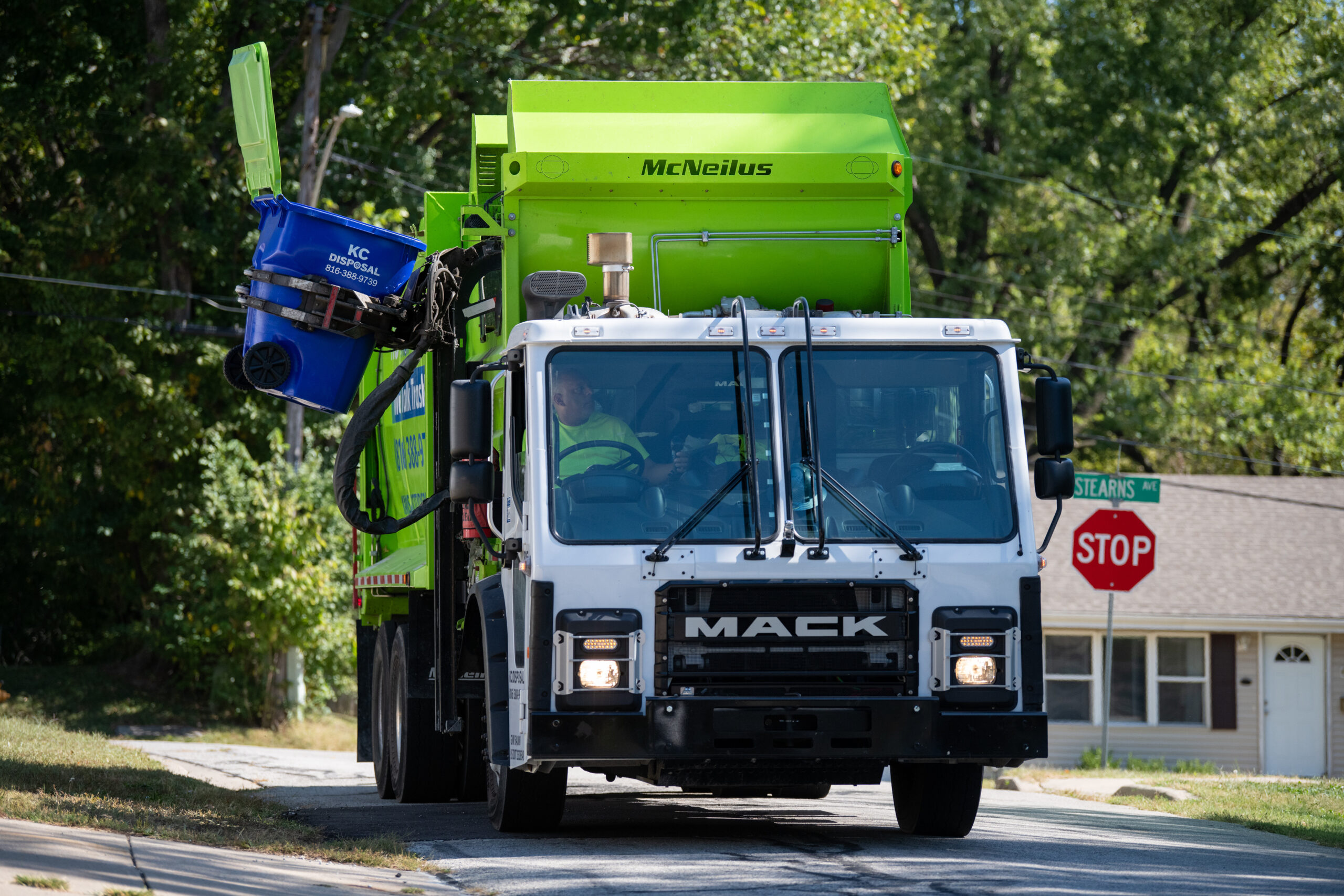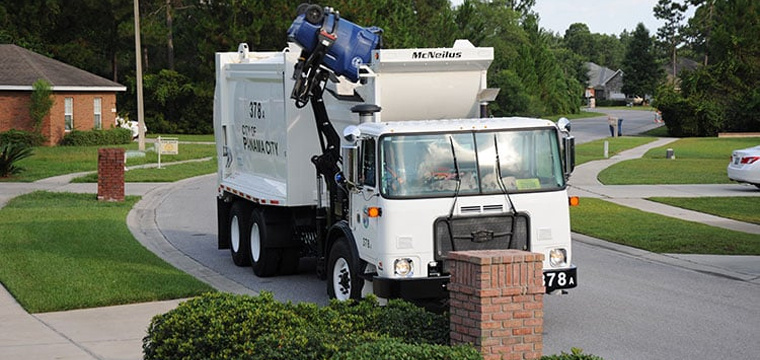
If you own a refuse company then you know that refuse trucks work harder than almost any other vehicle on the road. A refuse truck stops constantly on daily routes, lifts heavy loads, compact trash all day, and operates in dirty environments that put serious stress on a truck’s hydraulic systems. When hydraulics fail, the entire truck can go down, routes get delayed, overtime costs skyrocket, and repairs become expensive fast. For a broader look at preventing fleet downtime, reduce refuse truck downtime covers this in detail.
Hydraulic maintenance is one of the biggest priorities that you’ll face in waste fleet management. A small leak or pressure issue today can quickly turn into a failed pump, damaged cylinder, or completely disabled packer tomorrow.
Modern refuse trucks rely heavily on hydraulic power to effectively operate compactors, automated arms, tipper systems, packer blades, tailgates, and lifting mechanisms. If hydraulic performance drops or stops, the truck becomes slower, less efficient, and sometimes unsafe to even operate. Industry maintenance experts consistently point to contamination, neglected fluid maintenance, worn seals, and overheating as major causes of hydraulic failure in refuse trucks that are on the road.
Luckily, many hydraulic failures are preventable with proper inspections, regular service intervals, and early detection. Fleet managers who stay proactive with their refuse truck maintenance often reduce downtime significantly while extending the lifespan of expensive components in the truck’s system.
Why Refuse Truck Hydraulic Systems Fail More Often Than Other Trucks
Refuse trucks operate in brutal conditions compared to standard commercial vehicles. Hydraulic systems on these trucks work almost nonstop throughout a route every day. Each stop involves lifting, compressing, pushing, packing, or dumping of refuse. That repeated cycling creates constant pressure and heat on the truck’s hydraulic system.
Then there is the environment itself where the refuse trucks work on a daily basis.
Refuse fleets deal with dirt, moisture, chemicals, garbage debris, and extreme temperatures every day. Hydraulic lines and fittings are constantly exposed to grime and vibration as the truck undertakes the route. Over time, contamination works its way into the system unless maintenance teams stay ahead of it and keep the trucks clean and operational.
Another challenge to hydraulic systems is route density. Automated side loaders and front loaders can perform thousands of hydraulic cycles per week with daily operation. That amount of repetitive motion each day starts to wear down seals, hoses, pumps, and cylinders faster than many operators realize.
A lot of failures to a hydraulic system do not happen suddenly either. Most hydraulic problems start small. A tiny leak, slightly dirty fluid, or weak hose connection may not seem urgent at first. However, because hydraulics operate under extremely high pressure. Small issues escalate quickly when ignored.
That is why preventive maintenance matters so much to keep your company’s refuse trucks on the road and operational.
Hydraulic Fluid Contamination
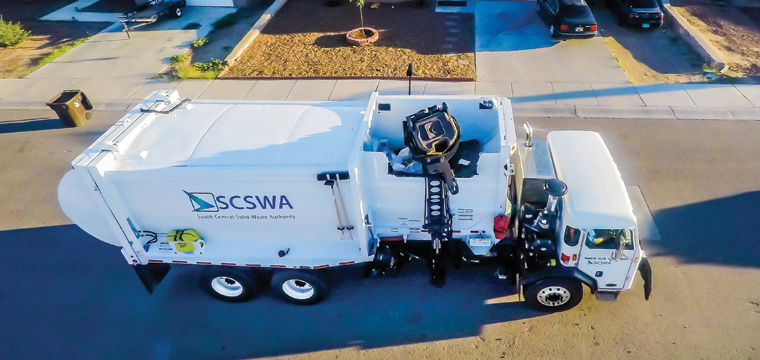
Hydraulic fluid contamination is one of the most common and destructive problems for refuse truck fleets.
Many technicians describe contaminated hydraulic oil as liquid sandpaper for the refuse truck’s operating system. Once dirt, metal particles, moisture, or debris enter the system, those contaminants circulate through pumps, valves, cylinders, and hoses causing problems. Internal wear accelerates quickly.
Contamination can come from several sources such as the possible:
- Worn seals
- Damaged hoses
- Dirty reservoir caps
- Poor servicing practices
- Moisture intrusion
- Metal wear particles
- Failing filters
Refuse trucks are especially vulnerable because they operate in dirty environments daily. Dust, grime, garbage liquids, and debris are everywhere around the truck’s system.
One overlooked problem for refuse trucks is hydraulic leaks. Even a small leak creates an opening where contaminants can enter the system. Once contamination spreads, it can start to clog valves, scar pump surfaces, damage cylinders, and reduce hydraulic efficiency.
Drivers may first notice slower packer operation or inconsistent arm movement on the truck. Eventually, components start failing completely.
Preventing contamination starts with fluid management. Hydraulic oil should always remain clean and properly filtered. Technicians should avoid mixing fluid types and should use filtered transfer equipment during service. Many fleets also implement regular oil sampling programs to identify contamination early before major damage occurs.
Filters are another major factor. Dirty or overdue hydraulic filters reduce protection significantly. Some fleets try to stretch filter intervals to save money, but that usually costs more later when pump or valve failures occur.
Routine inspections are important for refuse trucks. If technicians spot leaking fittings, cracked hoses, or damaged seals early, contamination risks drop dramatically and you can keep your fleet’s trucks operational.
Hydraulic Hose Failures
Hydraulic hoses take an enormous amount of abuse in refuse operations. They flex constantly during lifting cycles. Also, they experience heavy vibration while the truck runs the routes. Add heat, pressure spikes, road debris, and exposure to chemicals, and hose deterioration becomes unavoidable. Even with the best of care, it’s going to eventually happen.
A burst hydraulic hose can instantly disable critical truck functions. In some cases, it can create serious safety hazards for operators and nearby workers.
Common signs of hose failure include the following:
- Cracking
- Bulging
- Abrasion damage
- Fluid seepage
- Loose fittings
- Soft spots
- Swelling near connections
One mistake fleets often make is waiting until hoses fail visibly before replacing them. By the time external damage becomes severe, the internal reinforcement may already be compromised.
Many refuse truck manufacturers recommend replacing high pressure hydraulic hoses on a scheduled basis rather than waiting for catastrophic failure.
Routing also matters more than many people realize when it comes to hydraulic hoses. Improper hose routing creates rubbing points that wear through protective layers. Over time, the truck’s vibration and friction can destroy hoses surprisingly fast. Clamps, guards, and protective sleeves help prolong the hose’s lifespan.
Heat exposure is another issue when it comes to hydraulic hoses. Excessive heat weakens hose materials and accelerates aging. Trucks operating in hot climates or heavy route conditions may experience faster hose wear/tear and breakdown.
Daily inspections can prevent many roadside failures. Drivers and technicians should look for leaks, chafing, rubbing points, and loose connections before routes take place.
Hydraulic Pump Failures
Hydraulic pumps are essentially the heart of the refuse truck’s system. When the pump begins failing, overall truck performance drops quickly and the truck has to be taken off the road for repairs.
Pump failures are often expensive because debris from internal pump damage can spread throughout the hydraulic system causing even more damage. Once that happens, repairs become much larger than simply replacing the pump itself and the truck needs an overhaul.
Contaminated fluid is one of the leading causes of pump failure. Dirt and metal particles damage internal surfaces and bearings over time. Lack of lubrication, overheating, and cavitation can also destroy pumps prematurely.
Cavitation is especially dangerous. It happens when air bubbles form inside the hydraulic fluid and collapse under pressure. This creates tiny shockwaves that damage internal pump surfaces and lead to very costly repairs. Operators may notice whining noises, vibration, erratic hydraulic response, or reduced lifting power when cavitation begins.
Low fluid levels are a common contributor to the situation. When hydraulic reservoirs run too low, air enters the system and increases cavitation risk.
Overheating creates another major problem for the refuse truck. Excessive heat reduces hydraulic oil viscosity and weakens lubrication properties. That increases wear on internal pump components.
Yes, there are steps you can take to prevent pump failure such as maintaining clean fluid, proper fluid levels, healthy filters, and adequate cooling. Monitoring operating temperatures also helps technicians identify problems before serious damage occurs.
Overheating Problems
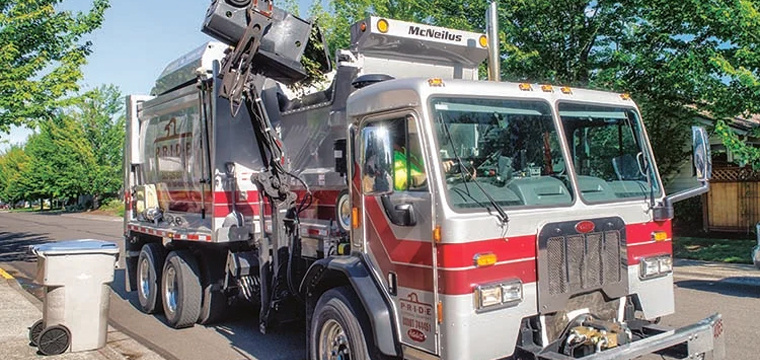
Hydraulic heat is normal to a degree, but excessive heat ultimately destroys the system.
Refuse trucks generate significant hydraulic heat because of constant cycling and heavy workloads. Automated side loaders and compactors may operate continuously during dense routes. This is especially true in urban environments.
When temperatures climb too high, hydraulic oil begins breaking down, which causes seals to harden faster, lubrication weakens, and internal wear accelerates.
Overheating may occur as the result of the following:
- Dirty coolers
- Restricted airflow
- Low fluid levels
- Incorrect hydraulic fluid
- Overworked systems
- Internal leakage
- Worn pumps
Operators often notice sluggish performance in the truck when they overheat. Functions may become slower or inconsistent after the truck has been running for several hours.
One major issue in refuse fleets is cooler blockage. Radiators and hydraulic coolers collect dust, paper, grime, and trash debris constantly. When the airflow becomes restricted it reduces the truck’s cooling efficiency substantially.
Routine cleaning helps significantly in preventing overheating problems. Maintenance teams should inspect cooling systems regularly and remove buildup before overheating develops.
Fluid selection also matters to prevent overheating. Using the wrong hydraulic oil for climate conditions can affect viscosity and operating temperature. Some refuse truck systems require different oil grades. Operators can help prevent overheating by avoiding unnecessary idle cycles when traveling their route. They should also pay attention to warning signs early.
Cylinder Seal Failures
Hydraulic cylinders do the heavy lifting on refuse trucks. They operate packer blades, automated arms, tailgates, and tipping systems all day long. However, cylinder seals will start to wear down from pressure, contamination, heat, and repeated movement. Once seals begin failing, hydraulic fluid leaks develop.
Drivers may notice drifting components, weak lifting performance, or visible oil around cylinder rods which are all a result of cylinder seal failures.
Dirt and debris on exposed cylinder rods damage seals during operation which can lead to leaks. That is why keeping equipment clean matters more than many people think.
Rod damage is another common problem for refuse trucks. Scratches or pitting on hydraulic rods quickly destroy seals and create leakage issues.
There are steps you can take to prevent seal leakage. Preventive maintenance should include regular cylinder inspections for leaks, damaged rods, loose mounts, and abnormal movement.
Ignoring small cylinder leaks usually leads to larger repairs later, which can cost you a substantial amount of money. Hydraulic fluid loss creates contamination risks while increasing stress on other system components.
Valve Failures and Pressure Problems
Hydraulic valves control fluid direction and pressure throughout the truck. When valves begin failing, the truck’s system performance becomes unpredictable.
Contaminated fluid is again one of the leading causes of problems. Tiny debris particles can block valve passages or damage internal surfaces. Once valves stick or respond inconsistently, then truck functions may become jerky, delayed, or unreliable for the driver.
Pressure issues often appear alongside valve problems. If system pressure falls below specification, lifting power and compaction performance suffer substantially. If pressure becomes too high, hoses, seals, and components experience will also undergo stress which can lead to additional costly problems.
Air Intrusion in Hydraulic Systems
Air inside a hydraulic system creates serious performance issues.Unlike hydraulic fluid, air compresses under pressure. That leads to inconsistent operation, spongy response, vibration, and reduced efficiency for the refuse truck’s hydraulic system.
Operators may notice noisy pumps, foamy hydraulic fluid, or jerky component movement.
If left unresolved, air intrusion increases heat and accelerates component wear on the truck’s systems.
Maintaining proper fluid levels and inspecting suction lines carefully can help prevent these issues. Technicians should also bleed systems properly after repairs or fluid changes.
Electrical Problems That Affect Hydraulics
Modern refuse trucks rely heavily on electronic controls integrated with hydraulic systems. Sensors, solenoids, control modules, and wiring all influence hydraulic operation in the truck. For data-driven preventive monitoring, the role of telematics in managing a refuse fleet covers this in detail. Sometimes what appears to be a hydraulic failure is actually an electrical issue that impacts the truck.
Corroded connections, damaged wiring, failed sensors, or faulty switches can prevent hydraulic functions from operating the way it should. Moisture and vibration are major challenges for trucks on a route. Electrical components near hydraulic systems face constant exposure to harsh conditions.
Troubleshooting modern refuse trucks often requires technicians to evaluate both hydraulic and electrical systems. That is especially true as fleets adopt more advanced automated side loaders and electrically integrated hydraulic systems in their refuse trucks.
Final Thoughts
Hydraulic systems are the backbone of modern refuse trucks. Without them, compactors, packer blades, lifting systems, and automated arms simply do not function. See our McNeilus parts catalog for OEM replacement components.
For fleets looking to improve uptime, reduce breakdowns, and keep refuse trucks operating at peak performance, Ten-8 Industrial provides refuse truck support, maintenance expertise, service solutions, and industry knowledge designed specifically for demanding waste collection operations.