The refuse collection industry is on the brink of massive change. Diesel-powered refuse trucks have been the norm for generations, but electric collection vehicles are quickly becoming a part of fleet planning discussions around the country. From regulatory demands to company-wide sustainability efforts, high fuel prices to rapidly improving battery technology, electric refuse trucks are gaining attention.
However, transitioning to electric collection vehicles is much more than simply buying some new trucks. Charging infrastructure, route planning, maintenance needs, technician training, and long-term costs are just a few of the many factors used to determine if electrification makes sense for your operation.
Before jumping headfirst into electric collection vehicles, it’s critical to understand what’s involved. Let’s take a look at several important factors to consider before making the switch.
Why Electric Collection Vehicles Are Becoming More Common
Electric refuse trucks are poised to take over the market in just a few short years.
Here’s why:
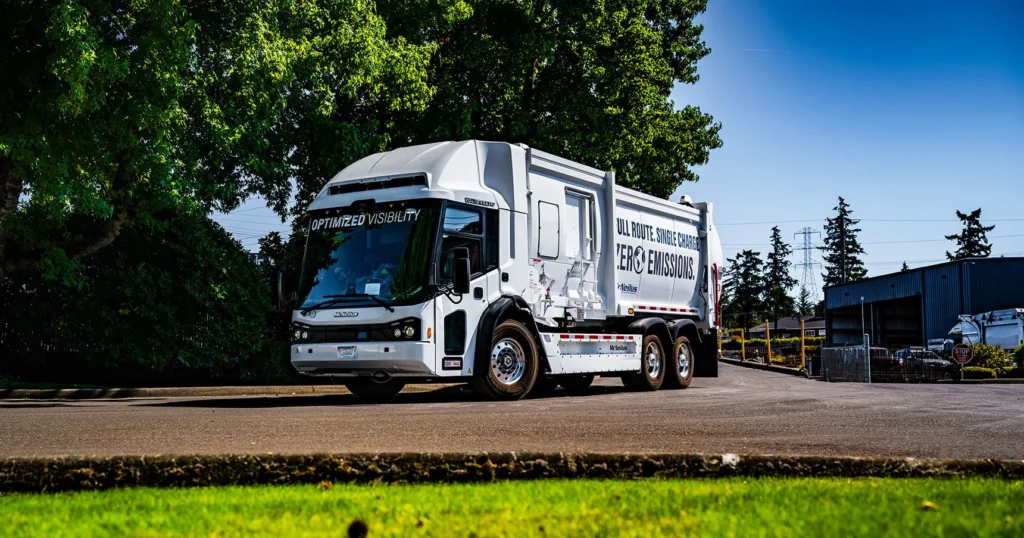
Electric collection vehicles make a lot of sense due to their driving pattern. Collection trucks return to the same location at the end of every route, so charging can be done overnight with little hassle. Also, idling at each stop allows them to spend a lot of time regenerating energy through their brakes. Electric trucks are also zero emission vehicles, so government authorities are pushing for their adoption.
Factors to Consider Before Transitioning to Electric Collection Vehicles
Understand the Total Cost of Ownership
Considering how much a vehicle costs when buying a new fleet vehicle is important. However, focusing only on purchase price is a mistake that can sink your fleet’s transition to electric vehicles before it begins.
Electrical refuse trucks cost significantly more than their diesel counterparts. ([Dataintelo][2]) The way a fleet vehicle eats up fuel and electricity along with maintenance and infrastructure needs should be considered before deploying electric vehicles.
Include in your calculations:
- Vehicle acquisition cost
- Grants and available incentives
- Fuel savings
- Electricity rates
- Maintenance
- Expected lifespan
- Residual value
- Infrastructure requirements
- Technician training
As maintenance requirements are a common topic of discussion when it comes to electric vehicles. Due to the lack of traditional engine components electric trucks require less maintenance resulting in lower maintenance costs. Oil changes, emission equipment failures, and other engine-related maintenance items are no longer issues.
Charging infrastructure can be costly when trying to deploy electric vehicles. How much will it cost to install charging stations? Will your current electrical system even support the additional power requirements? These are all important questions to consider when looking at the total cost of ownership.
Choose your fleet manager wisely, as those that look past the initial purchase price and evaluate the total cost of ownership before pulling the trigger on electric collection vehicles will be far more successful in their efforts.
Charging Infrastructure Can Make or Break Your Program
If you’ve ever installed charging stations for electric vehicles you know how difficult it can be. It’s not as simple as dropping off a fueling station in the yard. There’s electrical capacity to consider, charging schedule, permit approvals, installer qualifications, future expansion, and much more.
Things to think about before deploying electric vehicles:
Available Electrical Capacity
The facility your fleet operates from may not have been designed to handle vehicle charging. Your local utility may need to upgrade your transformer or service before any charging equipment is installed. Depending on where you’re located these upgrades can take several months.
Charger Placement
Where you choose to install your charging stations can affect operations. If they are not properly placed you could cause traffic nightmares in your yard hindering your ability to deploy equipment quickly.
Future Growth
Pilot programs are common for fleets looking to enter the electric vehicle market. Wiring your facility to support three charging stations now may not be ideal if you plan on adding more down the road.
This seems to be the biggest hurdle for fleets looking to go electric. Charging infrastructure has been consistently voted as the number one factor affecting fleet electrification.
Route Planning is Critical
Gas up at the truck stop and head out, how easy is that? Diesel collection vehicles have the advantage of quick fueling times and fuel is nearly everywhere. Electric vehicles are not quite that easy.
Before transitioning your current routes to electric vehicles be sure to complete a full route analysis. Things to consider include:
- Daily mileage
- Number of stops
- Elevation changes
- Payload
- Length of route
- Weather variations
- Traffic patterns
Routes should be examined thoroughly before even thinking about electrifying them. Some routes may not be great candidates due to long mileage or multiple days away from the fleet facility. You’ll want to identify routes that have a high probability of returning to the yard with roughly the same charge at the end of the day. These types of routes will allow you to establish a baseline of what your electric vehicles are capable of.
Weather Affects Battery Performance
If you live in an area that experiences extreme seasons then you already know temperatures can have drastic effects on battery performance. Both extremely hot and cold weather can reduce your vehicle’s range and efficiency.
Cold weather not only reduces range but increases energy consumption. Using your vehicle’s heater sucks up a lot of power which means less available for driving. Hot weather can also cause issues by putting large amounts of stress on the battery cooling system.
Collecting real-world performance data will allow you to create a more accurate picture of what to expect from your electric vehicles.
Maintenance Teams Will Need Training
With less moving mechanical parts comes less maintenance. But this doesn’t mean your maintenance department won’t need training. Electric vehicles bring with them a whole new set of technology that your current technicians have probably never seen.
Maintenance training should include but is not limited to:
- High voltage safety
- Battery systems
- Electric drivetrains
- Charging operations
- Diagnostic software
- Electrical troubleshooting
Take the time to train your technicians properly. Many organizations make the mistake of thinking their maintenance departments can figure it out on their own. Make sure your technicians have access to all the information they need to keep your fleet up and running.
Safety Procedures Need to be Updated
Safety procedures need to be revised and distributed to all relevant parties. Electric vehicles have some unique differences that must be addressed when writing safety procedures.
Things to consider when writing safety procedures:
Technicians
Maintenance staff will be working on high voltage components. Ensure they know how to safely isolate these components for service.
Drivers
Operators should be trained on vehicle specific features. Things like regenerative braking, how to charge the vehicle, and what to do in case of an emergency.
First Responders
It’s common for fleet managers to meet with their local first responders to educate them on electric vehicles. Things they’ll want to cover include:
Ensuring these groups are prepared for an electric vehicle-related call will help limit liability.
Drivers Acceptance Shouldn’t Be Overlooked
All too often fleet managers forget about the person driving the vehicle. Electric collection vehicles drive much differently than traditional diesel trucks.
Drivers have commented they like:
- Quiet ride
- Acceleration
- Overall smoother operation
- Less vibration
- Vehicles don’t get as hot
Make sure you don’t overlook driver acceptance when transitioning to electric vehicles. Driver training is key, ensure your operators are comfortable with the new technology. Gather feedback from drivers during your pilot program to identify operational issues before they become huge problems.
Begin with a Pilot Program
Purchasing your entire fleet in electric IVE? Of course not. Starting with a small group of vehicles will allow you to gather data to make better decisions when scaling up.
An ideal pilot program includes:
- Small group of vehicles
- Select Routes
- Key Performance Indicators (KPI’s)
- Driver Feedback
- Maintenance Tracking
- Charging Reviews
Key Performance Indicators may include:
- KW/H Consumed
- Route completion percentages
- Uptime
- Maintenance costs
- Driver feedback
Starting small will allow you to work out the kinks before deploying your entire fleet. Plus you’ll have valuable data that you can use when making the decision to purchase more electric vehicles.
Engage your utility early This one always kills me. We have heard countless times that fleets waited too long to contact their local utility. Why? Electrical upgrades take time, a lot of time.
Contact your utility early and develop a relationship. Things to discuss:
- How much power can you provide?
- Do I need a service upgrade?
The last thing you want is for your battery charging stations to be installed only to find out your electric utility can’t support it. Talk to your local utility early and avoid costly delays.
Battery Management Should be Considered
The battery is the heart of your electric collection vehicle. Charging practices, operating conditions, and maintenance can all play a factor in battery health.
Topics to consider include:
- Charging practices
- Optimal charging range
- Battery Temperature
- Monitoring individual battery cell performance
- Battery Warranty
Don’t forget about your batteries when deploying electric vehicles. ([arXiv][4]) Proper charging practices can reduce battery degradation and save you money.
Government Incentives Can Help
Government incentives can play a big role in the decision-making process. From vehicle purchase incentives to infrastructure grants and rebates from your local utility there are a lot of programs available.
Things to investigate:
- Vehicle incentives
- Infrastructure grants
- Utility company rebates
- Tax Credits
- Emissions reduction grants
Doing your homework on available incentives can save your fleet hundreds if not thousands on your initial purchase.
Plan on Running a Mixed Fleet
Here’s the deal. Electric vehicles are not going to outright replace every diesel truck in your fleet overnight. Simple fact. You’ll be running a mixed fleet of electric and traditional diesel trucks for some time.
Planning for a mixed fleet will look something like this:
- Maintaining two sets of maintenance procedures
- Training technicians on electric vehicles
- Managing fuel and electric charging stations
- Creating vehicle assignment strategies
- Understanding how EV’s drive differently
Planning for a mixed fleet will allow your organization to be flexible while minimizing disruptions to daily operations.
Electric Vehicles Create More Data
One of the biggest benefits to electric vehicles is the data they collect. Electric vehicles offer opportunities to track.
- Optimize routes
- Charging times
- Manage energy consumption
- Improve vehicle utilization
- Schedule maintenance
By leveraging the data your electric vehicles provide you’ll begin to uncover opportunities to make your fleet more efficient.
The Future of Electric Collection Vehicles
We are currently in the beginning stages of a revolution. Change is never easy, but with the proper planning and expectations your fleet can successfully make the transition to electric vehicles.
Range, charging times, maintenance, and infrastructure are just a few of the things that need to be addressed before your fleet begins your journey to electrification. Take your time and don’t feel the need to replace your entire fleet overnight.
Ask questions, collect data, and create a plan that makes sense for your fleet’s unique needs. As technology continues to improve along with vehicle availability electric collection vehicles will continue to grow in popularity.
Preparing for the future starts with the right partner. Whether your fleet is looking to purchase electric collection vehicles, upgrade current equipment, or start planning for the future, Ten-8 Industrial can help. Contact Ten-8 Industrial to learn more about our refuse truck solutions, fleet support services, parts and maintenance, and much more.e, service solutions, and industry knowledge designed specifically for demanding waste collection operations.