When you spend your days thinking about routes, crews, and uptime, “return on investment” can sound like something a finance team worries about in a spreadsheet. However, if you’re running a municipal solid waste department or a private hauling operation, the ROI of upgrading to automated collection equipment is very real, and it shows up in your labor budget, safety record, vehicle life cycle, and even your community relationships.
For many fleets in the Southeast, the question isn’t if they’ll move toward automated collection. Nowadays, it’s become a question of when and how to do it in a way that truly pays off.
In this article, we’ll walk through where the ROI actually comes from, and how to build a business case that fits your routes, your people, and the trucks you run today.
What Do We Mean by “Automated Collection Equipment”?
For most operations, automated collection equipment usually means:
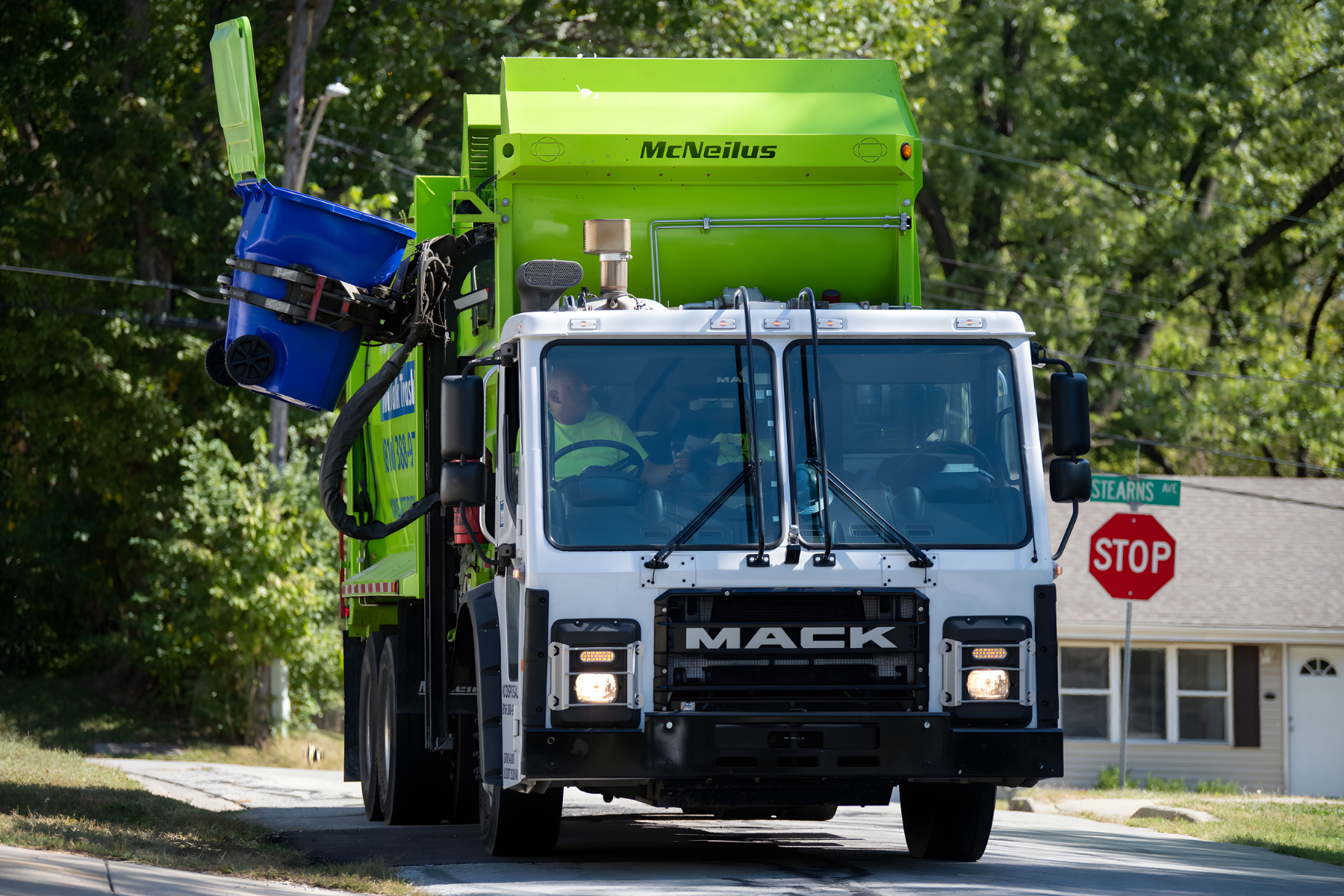
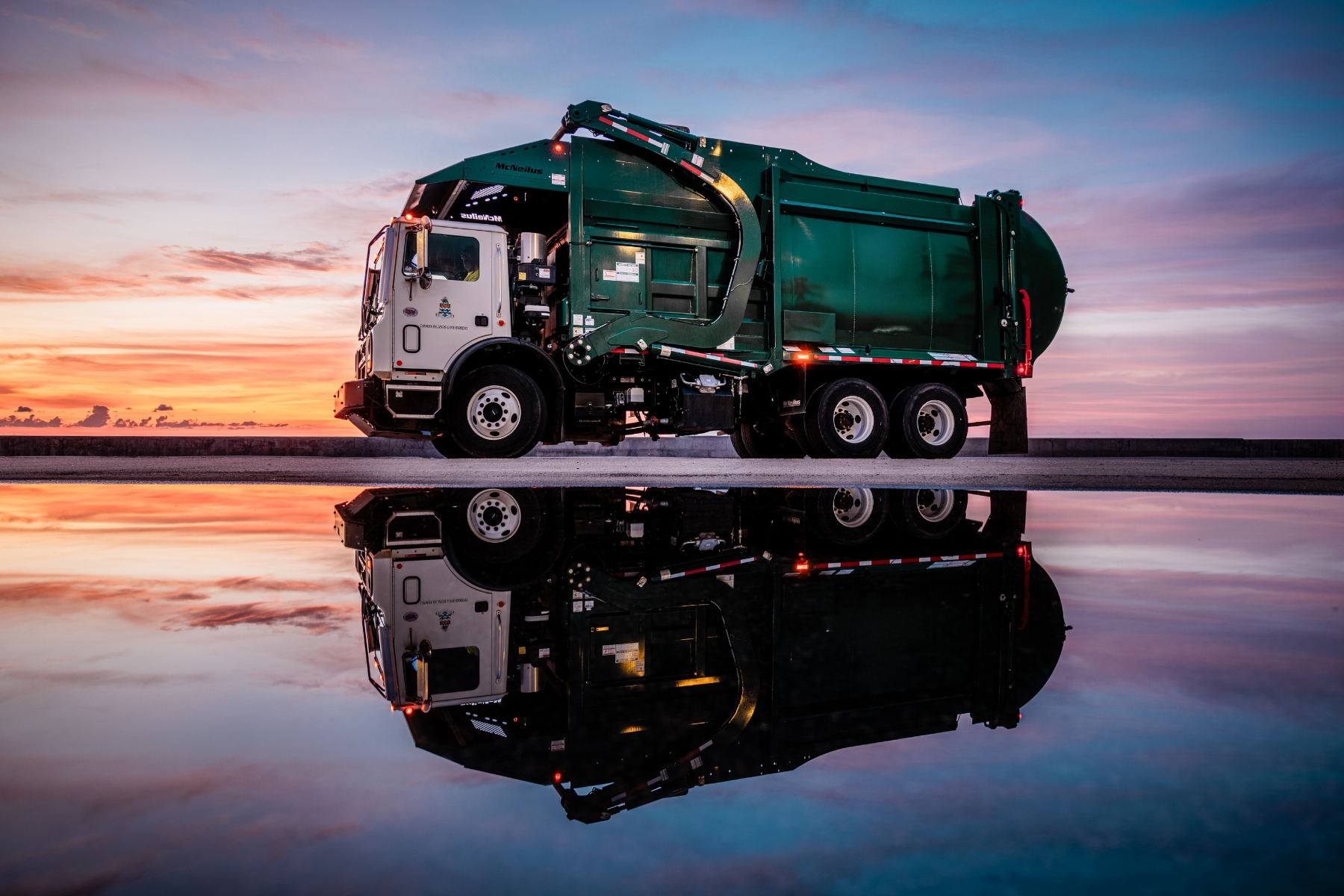
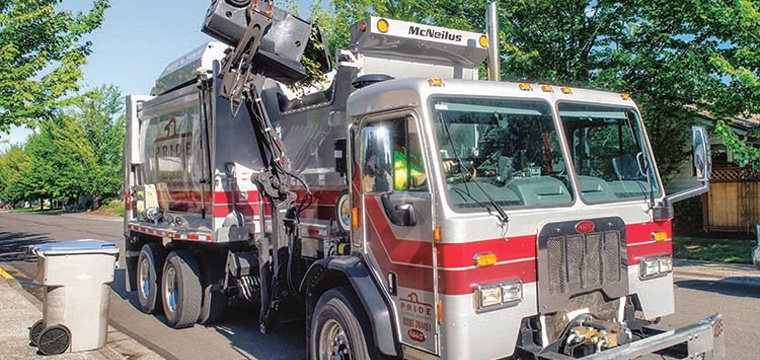
- Fully automated side loaders, which feature a mechanical arm that lifts standardized carts from the curb, dumps them, and sets them back down. The processes are all controlled by the driver from inside the cab.
- Semi-automated cart tippers on rear-load or side-load bodies that mechanically lift carts, so crews roll carts but don’t lift or dump them by hand.
- Add-ons like cameras, telematics, and service-verification systems all work together to help support safer, more efficient routes and fewer go-backs.
The common thread is simple and includes:
- Less manual handling
- More consistency
- Smarter equipment doing the heavy, repetitive work
Ten-8 Fire & Safety and its Ten-8 Industrial division have leaned into this shift by partnering with McNeilus to bring high-performance refuse and recycling vehicles to fleets across Alabama, Florida, Georgia, and Mississippi.
That’s the equipment side. The ROI comes from what it lets you change in your day-to-day operations.
Labor: Doing More With the Same (or Smaller) Crew
Labor is almost always the biggest line item for a collection operation. Automated collection directly impacts how many people you need per route and what they’re doing with their time.
Fewer People on Each Truck
A traditional manual rear-loader often runs with a driver and one or two helpers on the back. However, a fully automated side loader can run with just the driver, who stays in the cab and operates the arm.
That doesn’t necessarily mean you’re laying people off.
In reality, most fleets are:
- Struggling to hire and retain qualified workers.
- Balancing overtime, sick time, and open positions.
- Watching older workers age out of physically demanding rear-load work.
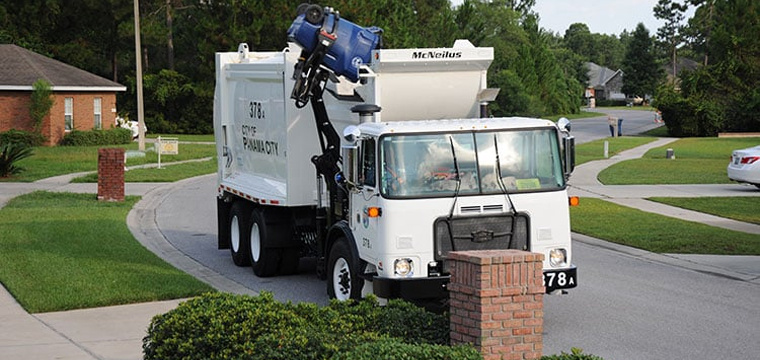
Automation lets you cover the same or more homes per day with fewer bodies on each truck. Reassign those extra people to new routes, bulky item pickup, cart delivery, or recycling contamination checks. It gives you options.
More Stops Per Hour, Fewer Miles Per Ton
Because the driver isn’t waiting on ground crews to catch up, stops are faster and more consistent. Automated side loaders are designed to streamline the pick-up cycle, extend the arm, grab, tip, return, and move on.
Over a full day, that extra efficiency adds up to:
- More households served per route.
- Shorter routes that save fuel.
- The ability to consolidate routes and reduce fleet size over time.
Even if you don’t change headcount right away, you’re squeezing more productivity out of the hours you’re already paying for.
Safety and Workers’ Comp: The Hidden ROI Driver
If you’ve been in this industry for a while, you don’t need a white paper to tell you that manual collection is tough on your workers’ bodies. But the safety and injury piece is where much of the real ROI lies.
Studies on automated waste collection and ergonomics have shown that containerized, automated, or semi-automated systems can:
- Significantly reduce lifting-related injuries to backs, shoulders, and knees.
- Lower Workers’ Compensation claims and insurance premiums.
- Improve worker morale and retention, simply because the job is less punishing.
When a fully automated route only requires a driver in the cab. Also, you dramatically reduce exposure to traffic hazards at the rear of the truck.
If you’ve ever had:
- A helper injured on the job,
- A long-term musculoskeletal claim,
- Or a near-miss with a distracted driver,
You know those aren’t just line items. They’re human stories and major disruptions. Automated collection doesn’t eliminate risk, but it does shift it. In fact, in many cases, it shrinks dramatically.
From a pure dollars-and-cents standpoint, preventing even one serious injury can offset a big chunk of an equipment upgrade, so it’s a win-win for the company.
Fuel, Maintenance, and Vehicle Life
Automated collection equipment also helps your bottom line every time a truck leaves the yard, so you save money.
Fewer Stops, Smoother Operation
With standardized carts and automated lifts, trucks can follow more efficient, predictable routes. You’ll enjoy a smoother operation with reduced idling and fewer stop-and-go cycles. There are even fewer unplanned go-backs.
Over time, that means less wear and tear on your trucks’ brakes, suspensions, and drivetrains, and lower fuel burn per ton collected.
Equipment Built to Last
Modern automated bodies and arms are designed for high-cycle use, high compaction, and long service life. McNeilus is an example that backs its automated side loaders with substantial structural warranties for lift arms and packs, and uses durable components specifically engineered for the demands of automated routes.
When you combine better route efficiency with equipment built for the job, then you’re not just buying a new truck. In reality, you’re stretching the life of your current fleet and smoothing out your capital replacement curve.
Fewer Complaints, Cleaner Neighborhoods, Stronger Brand
ROI isn’t only measured in dollars. Automated collection systems can change how residents see your department or company.
Because automated systems rely on standardized carts with lids:
- Streets stay cleaner, with less spilled waste and wind-blown litter.
- Odors and pest issues are easier to control.
- Containers look more uniform and “tidy” at the curb.
Layer on modern cameras and service-verification tools, and you’re also able to:
- Show proof of service when a customer says, “You missed me.”
- Document carts that weren’t out or were blocked.
- Coach residents on proper cart placement and contamination issues.
All of the above translates into fewer angry calls, fewer roll-backs, and a more professional image in the community. For private haulers, that means better retention and differentiation. For municipalities, it will benefit from a cleaner city and fewer political headaches.
Making the Numbers Work: A Simple ROI View
Every fleet is different, but the basic ROI math usually includes:
- Labor savings
- Fewer helpers per truck.
- Less overtime and fewer temp workers.
- Ability to reassign people to higher-value tasks.
- Fewer helpers per truck.
- Injury and insurance savings
- Reduced Workers’ Compensation claim frequency and severity.
- Lower long-term costs from chronic injuries
- Reduced Workers’ Compensation claim frequency and severity.
- Operational savings
- Lower fuel consumption per ton.
- Lower maintenance and brake/tire wear.
- Fewer go-backs and dispute-driven service calls.
- Lower fuel consumption per ton.
- Intangible benefits
- Easier recruiting in a tight labor market.
- Higher morale and retention.
- Better public perception and fewer complaints.
- Easier recruiting in a tight labor market.
Imagine you spend an extra $250,000 to move from a basic manual setup to fully automated collection equipment on a new route truck. If that change saves you even $60,000 per year across labor, injuries, and operational costs combined, you’re looking at a payback of just over four years. Remember, that doesn’t include the harder-to-measure wins like morale and safer streets.
For some operations, especially those battling high injury rates or heavy overtime, the payback can be even faster.
Where Automated Collection Delivers the Biggest ROI
While automation can work in lots of environments, some situations tend to see outsized returns:
- High-density residential routes with standardized carts already in place or planned.
- Communities with chronic injury issues among rear-load crews.
- Operations under budget pressure to hold headcount flat while growing service.
- Municipalities with strong safety and sustainability goals, where reduced injuries and cleaner neighborhoods are explicit priorities.
If you’re still running mostly manual routes, then you don’t have to switch everything at once. Many fleets start by:
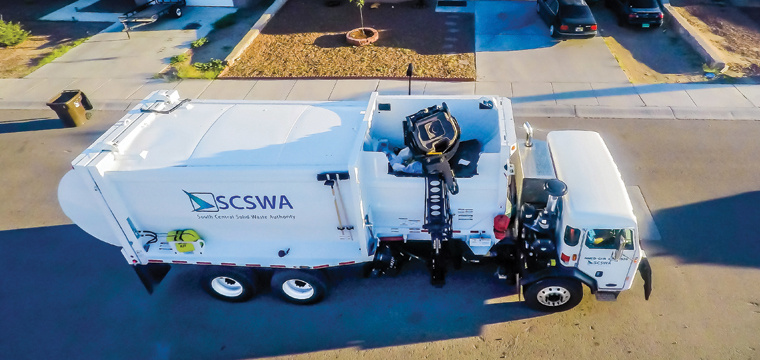
- Converting one or two pilot routes to automated side loaders.
- Rolling out standardized carts in phases.
- Using data from those pilot routes to demonstrate savings and build internal support.
Why Your Dealer Partner Matters to ROI
Upgrading to automated collection equipment isn’t just about purchasing a truck. It’s bigger than that because it’s actually a complete change in how you operate. That’s where your dealer partner makes a difference.
Ten-8 Fire & Safety, through Ten-8 Industrial, brings nearly four decades of experience supporting mission-critical vehicles, fire apparatus, ambulances, and now high-performance McNeilus refuse trucks.
That history matters for ROI because you’re not going it alone. A strong partner can help you:
- Select the right automated body (side loader, front loader, rear loader with tippers) for your route mix.
- Spec trucks that fit your containers, streets, and transfer station operations.
- Plan service locations and maintenance schedules that keep uptime high.
- Train drivers and technicians so you get the full benefit of the equipment from day one.
The math looks a lot better when you pair the right trucks with the right support network.
Is Now the Right Time to Upgrade?
If you’re still on the fence about automated collection equipment, start with three simple questions and answers.
- What is your true cost per route today?
To figure this out. Include labor, overtime, fuel, maintenance, injuries, and go-backs. Remember, it’s not just the truck payment. - Where are you feeling the most pain?
Is it hiring? Injuries? Complaints? Fuel? Downtime? The stronger those pain points are, the more likely automation has a fast payback that your company will benefit from. - What will your operation look like in five years if nothing changes?
Labor shortages, aging workers, and rising safety expectations aren’t going away. Automated collection isn’t just about this year’s budget; it’s about staying viable and competitive over the long term.
Ready to Run the Numbers for Your Fleet?
The ROI of upgrading to automated collection equipment is undeniable. It shows up in reduced injuries, leaner routes, smoother operations, and cleaner streets. Your community can see which reflects positively on your business’s reputation.
If you’re ready to explore how automated side loaders or other automated collection solutions could work on your routes, Ten-8 is here to help you build a plan that works both on paper and on the street. We provide the support you need to help you turn automated collection into a smart, long-term investment for your operation.