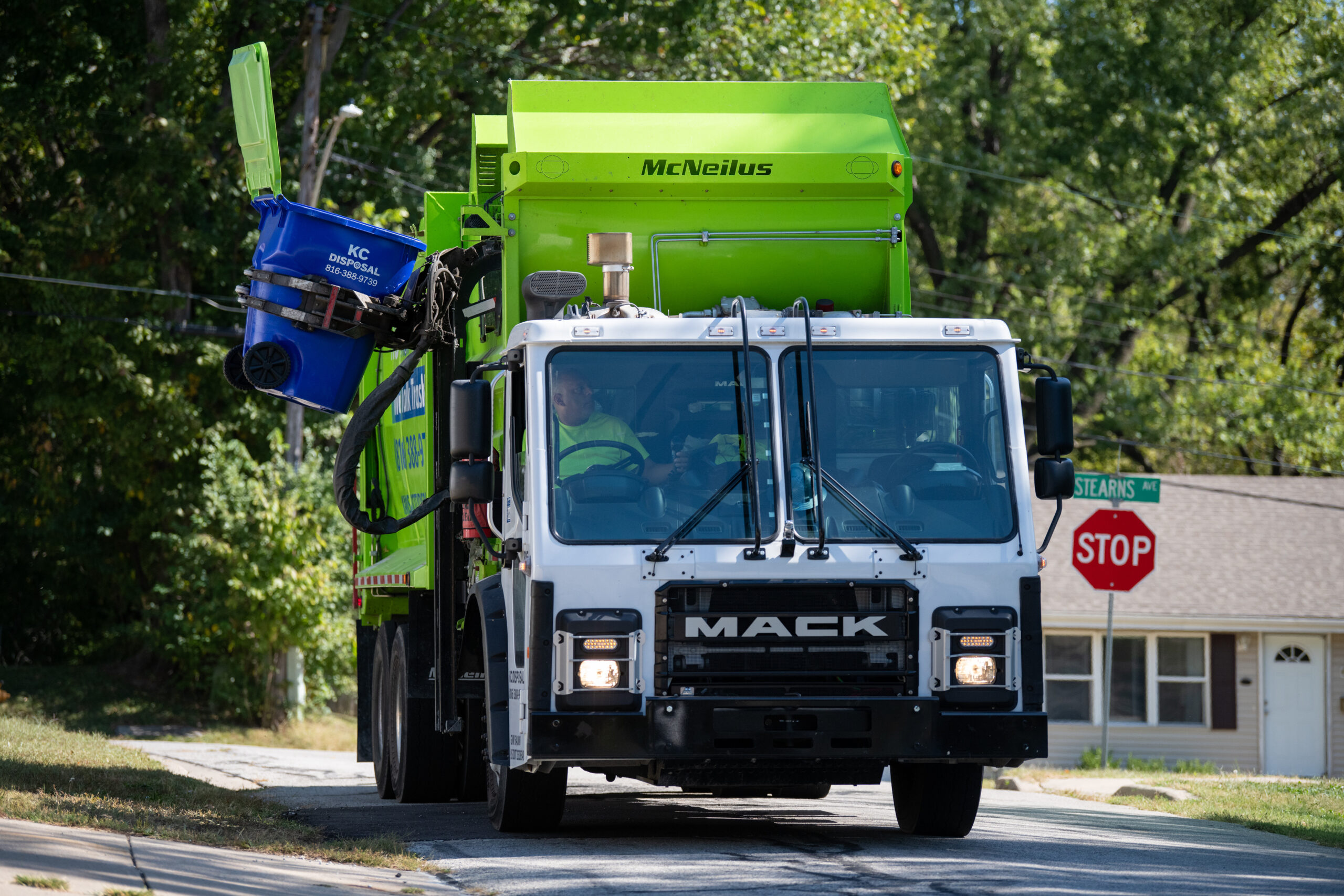
Refuse truck downtime is when your garbage trucks sit idle, halting waste collection and increasing costs.
In this article, we’ll explore practical maintenance tips to reduce downtime and ensure operational efficiency. You’ll learn common causes of downtime and preventive strategies to keep your fleet up and running.
Key Takeaways
- Understanding the common causes of refuse truck downtime, such as mechanical failures, tire issues, and electrical problems, is essential for maintaining efficient waste management operations.
- Implementing a proactive maintenance strategy through regular inspections, scheduled maintenance, and record keeping helps to significantly reduce unexpected vehicle breakdowns.
- Partnering with reliable service providers ensures high-quality maintenance and prompt repairs, enhancing the overall reliability and efficiency of refuse truck fleets.
Understanding Refuse Truck Downtime
Downtime in refuse trucks refers to those frustrating periods when vehicles are not operational, which can significantly affect waste management efficiency. This downtime can lead to missed collections, overtime costs, and a backlog of waste materials, disrupting the smooth operation of any waste management fleet. Downtime doesn’t just take a truck off the road; it creates ripple effects that impact the entire system.
Reducing downtime is key to maintaining operational efficiency and cutting costs in waste management. A well-maintained garbage truck ensures safety, compliance, and operational efficiency.
Tackling truck downtime and implementing thorough inspections improve overall waste management operations. Effectively managing downtime is the first step toward a more efficient and cost-effective waste management system.
Common Causes of Refuse Truck Downtime
Frequent causes of downtime for refuse trucks include mechanical failures, tire issues, and problems with electrical systems. Understanding these common issues helps operators focus on areas to mitigate downtime and ensure persistent waste management operations.
We need to understand how each issue impacts our garbage trucks and how to prevent them.
Mechanical Failures
Mechanical failures are among the primary reasons for refuse truck downtime, which can disrupt waste collection services. Engine troubles, such as overheating or fuel system issues, are a significant contributor to downtime. The tell-tale signs like unusual noises from the engine should never be ignored, as they may indicate underlying problems that require immediate attention. Regular checks and preventive maintenance can help identify issues early, preventing further damage and costly repairs.
Transmission issues are another common cause of downtime and need to be monitored to ensure operational efficiency. These problems can lead to significant delays if not addressed promptly. Predictive maintenance and regular diagnostics can help in identifying potential transmission issues before they escalate. Focusing on these mechanical aspects and implementing preventive measures can significantly reduce unplanned downtime and keep the fleet well-functioning.
Hydraulic systems play a pivotal role in refuse truck operations. For a deeper look at this topic, common hydraulic failures in refuse trucks covers this in detail.
Key points to consider:
- A failure in the hydraulic system can result in serious safety hazards.
- It can also cause operational problems.
- Checking hydraulic fluid levels and hoses regularly is crucial for optimal operation.
- Preventing costly repairs involves proactive maintenance and addressing minor issues before they escalate into major problems.
Tire and Brake Issues
Tire and brake issues are another significant cause of vehicle downtime.
Components and aspects to inspect regularly include:
- Brake pads
- Rotors
- Brake fluid levels
- Overall tire condition, including tread depth and pressure
Regular inspections of tires and brakes are crucial to prevent unnecessary downtime in refuse trucks.
Failing to maintain proper tire and brake conditions can result in significant operational downtime for refuse trucks. Regular checks and maintenance of these components extend the vehicle’s lifespan and maintain operational efficiency, reducing wear and tear. This proactive approach helps in preventing costly repairs and ensuring the safety of both the driver and the public.
Electrical and Software Problems
Modern garbage trucks often include technological systems that necessitate regular inspections to ensure they function correctly and prevent downtime. Electrical systems play a crucial role in maintaining the operational efficiency of refuse trucks, managing key functions such as hydraulic controls and onboard computers. Regular diagnostics and software updates are essential to keep these systems running smoothly.
Outdated software can cause operational inefficiencies, making regular updates essential for maintaining peak performance. Identifying potential issues through regular diagnostics helps in preventing unexpected shutdowns and ensures that all technological systems function correctly. Staying on top of electrical and software maintenance significantly reduces unplanned downtime and keeps the fleet running efficiently.
Preventive Maintenance Strategies
Proper preventive maintenance programs can significantly enhance the uptime of refuse trucks by addressing potential issues before they lead to breakdowns. Effective maintenance practices include regular deep inspections that prioritize high-tech components, reflecting the complexity of modern refuse trucks.
Here are some key strategies for implementing preventive maintenance to keep our fleet maintenance in top shape.
Regular Inspections
Regular, comprehensive inspections are crucial for the longevity and reliability of a garbage truck fleet. These inspections help maintain vehicle performance, prevent accidents, and ensure smooth operation. Modern refuse trucks often have integrated technological systems that require routine checks to ensure functionality. An effective inspection program identifies potential issues early, reducing downtime and ensuring optimal operation.
Safety equipment in a garbage truck must be easily accessible and regularly inspected to ensure they are functioning correctly. Keeping the cab of a garbage truck clean and organized also contributes to driver comfort and aids in accident prevention.
Regular inspections are crucial for preventive maintenance, helping to avoid costly repairs and extend the fleet’s lifespan through timely repair costs.
Proactive Maintenance Scheduling
Implementing a structured truck maintenance schedule is critical to prevent unexpected breakdowns in garbage trucks. For a deeper look at this topic, our guide on daily and weekly maintenance tips for refuse trucks covers this in detail. Regular checks of engine oil and transmission fluid can help avoid serious mechanical failures. Scheduling regular maintenance enhances the reliability of refuse trucks and contributes to efficient waste management.
Regular maintenance schedules help identify potential issues early and prevent costly repairs. Transmission failures can lead to significant delays and require prompt attention to avoid extended service interruptions.
Proactive maintenance scheduling reduces downtime and ensures the fleet remains operational and efficient, minimizing unscheduled downtime.
Detailed Record Keeping
Keeping precise records of maintenance activities aids in tracking vehicle performance and anticipating future service needs. Maintaining detailed records of maintenance and repairs assists in tracking the vehicle’s history and planning future maintenance needs effectively. This practice is crucial for managing vehicle health and meeting all maintenance needs promptly.
Software updates in refuse trucks are essential for ensuring that all technological systems function correctly. Outdated software can cause operational inefficiencies, making regular updates essential for maintaining peak performance. Detailed record-keeping helps in forecasting future service needs and managing vehicle health effectively, ensuring that our fleet remains in top condition.
Key Areas to Focus On During Maintenance
Daily checks should include critical elements like:
- Engine oil
- Transmission fluid
- Coolant
- Hydraulic fluid
- Tire pressure
- Brake components
Regular checks on hydraulic systems, batteries, and other critical components are vital for maintaining the truck’s automated functions and overall performance.
Understanding these key areas helps keep our fleet running smoothly.
Hydraulic Systems
Hydraulic systems are essential for the lifting and compacting mechanisms in refuse trucks. Regularly checking hydraulic fluid levels and hoses for leaks is crucial for optimal operation. Common mechanical issues in refuse trucks can include hydraulic system inadequacies, which may lead to downtime.
Checking for leaks in hydraulic hoses is essential to prevent safety hazards and system failures. To ensure hydraulic fluid levels are maintained helps in the proper operation of the truck’s multiple systems and to address any potential fluid leaks.
Regular maintenance and checks of the hydraulic system prevent costly repairs and ensure fleet safety and efficiency.
Engine and Transmission
To maintain engine performance and prevent expensive repairs, it is crucial to regularly check engine oil in refuse trucks. The engine and drivetrain are essential for the overall operation of the garbage truck, highlighting the need for regular maintenance. Regular checks of transmission fluid and engine oil help avoid serious mechanical failures and extend the vehicle’s lifespan.
Proper maintenance of the engine and transmission ensures fuel efficiency and reduces operational costs, including fuel consumption. Focusing on these critical components significantly reduces downtime and ensures the fleet’s longevity. Regular maintenance of the engine, transmission, and exhaust system is essential for maintaining the overall health and efficiency of our garbage trucks.
Safety Equipment
Safety equipment like fire extinguishers and first aid kits must be regularly checked for readiness. Properly maintained safety features can significantly reduce risks to drivers and the public. Types of safety equipment needing inspection include fire extinguishers and first aid kits.
Regular checks of safety equipment ensure that they are functioning correctly and are easily accessible in case of an emergency. This preventive maintenance helps to periodically check for risks and ensures the safety of both the driver and the public.
Regular inspection and maintenance of safety equipment enhance the overall safety and efficiency of the fleet.
Benefits of Reducing Refuse Truck Downtime
Unexpected vehicle breakdowns can significantly impact productivity and operational costs.
Implementing a preventive maintenance program can:
- Significantly reduce operational costs
- Enhance vehicle reliability
- Improve fuel efficiency in properly maintained garbage trucks, leading to lower operational costs
Regular inspections improve efficiency and reduce downtime, contributing to an extended vehicle lifespan. Reducing downtime not only helps in improving the overall efficiency of waste management operations but also reduces costs and enhances the reliability of our fleet.
Focusing on preventive maintenance and regular inspections brings the benefits of reduced downtime, improved uptime operational efficiency, and reduced costs.
Implementing a Fleet Management System
Predictive maintenance tools in fleet management offer several key benefits:
- Help forecast mechanical issues before they lead to breakdowns, thus reducing downtime.
- Provide real-time monitoring features that allow for immediate corrective actions when vehicle issues are detected.
- Facilitate centralized data storage, making data analysis easier and enhancing operational accuracy.
Automated reminders for maintenance tasks ensure that vehicles receive timely service, which is critical for maintaining operational efficiency. Implementing a fleet management system can significantly enhance the efficiency and reliability of our refuse trucks and fleets, leading to reduced downtime and improved operational performance.
Partnering with Reliable Service Providers
Choosing authorized service providers offers several benefits:
- Skilled technicians perform maintenance and repairs, leading to high-quality service.
- Establishing a partnership with trusted service providers can lead to long-term support and maintenance solutions for waste handling equipment.
- Experienced service providers ensure that maintenance and repairs are handled by factory-trained technicians, which increases reliability.
Establishing a network of trusted service centers can address service gaps in areas lacking authorized dealers. Service providers with a strong regional presence can provide timely and effective support for fleet management. Partnering with a reliable industrial service team plays a pivotal role in reducing downtime and ensuring the smooth operation of our fleet.
Summary
In summary, reducing downtime in refuse trucks is essential for maintaining operational efficiency and reducing costs in waste management. Implementing preventive maintenance strategies, including regular inspections, proactive maintenance scheduling, and detailed record-keeping, can significantly enhance the reliability and efficiency of our fleet.
Focusing on key maintenance areas such as hydraulic systems, engine and transmission, and safety equipment helps in preventing costly repairs and ensuring the smooth operation of our garbage trucks.
By leveraging fleet management systems and partnering with reliable service providers, you can further reduce downtime and improve the overall performance of our fleet. Let’s take these insights and put them into action to keep our refuse trucks running smoothly and our cities cleaner than ever.