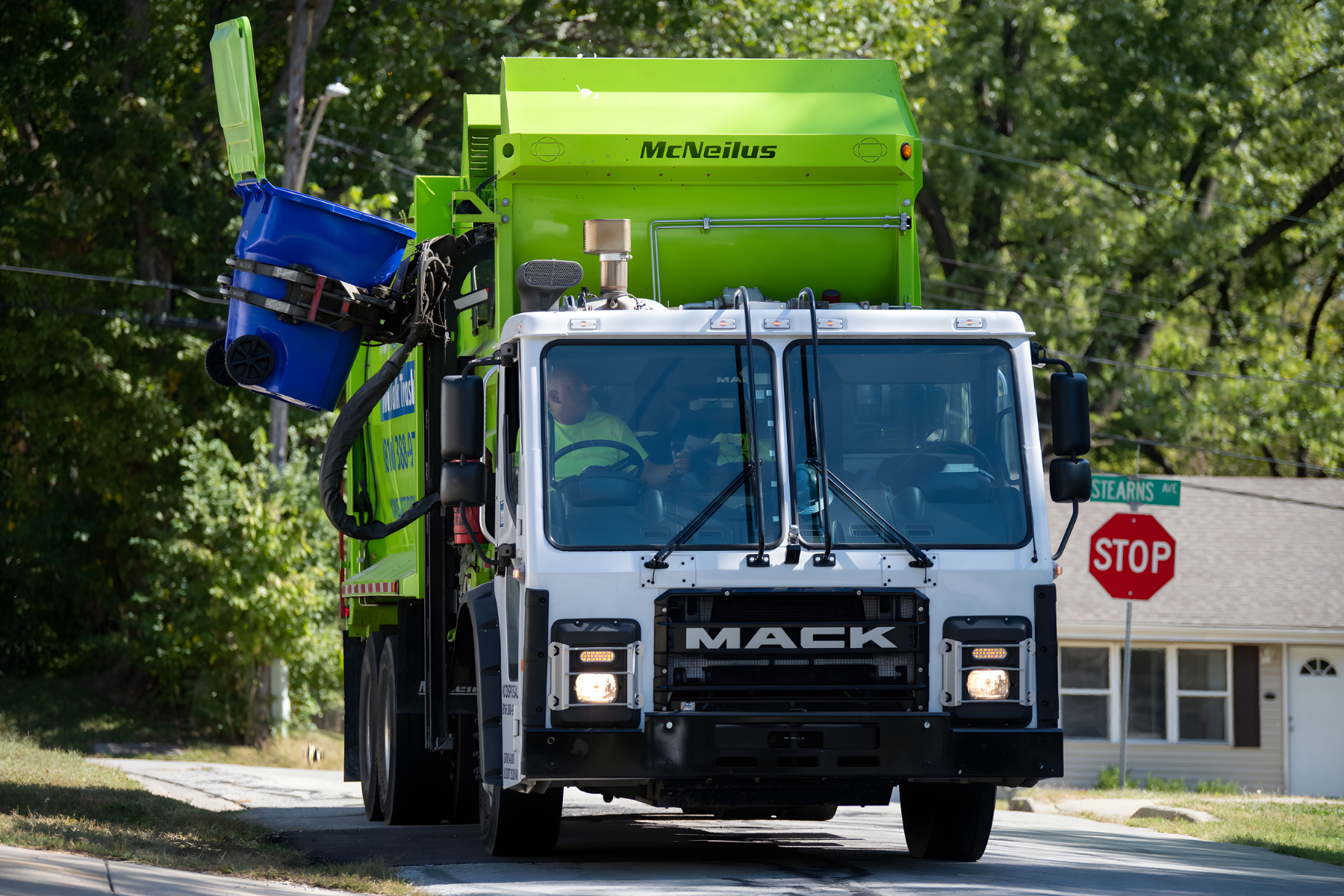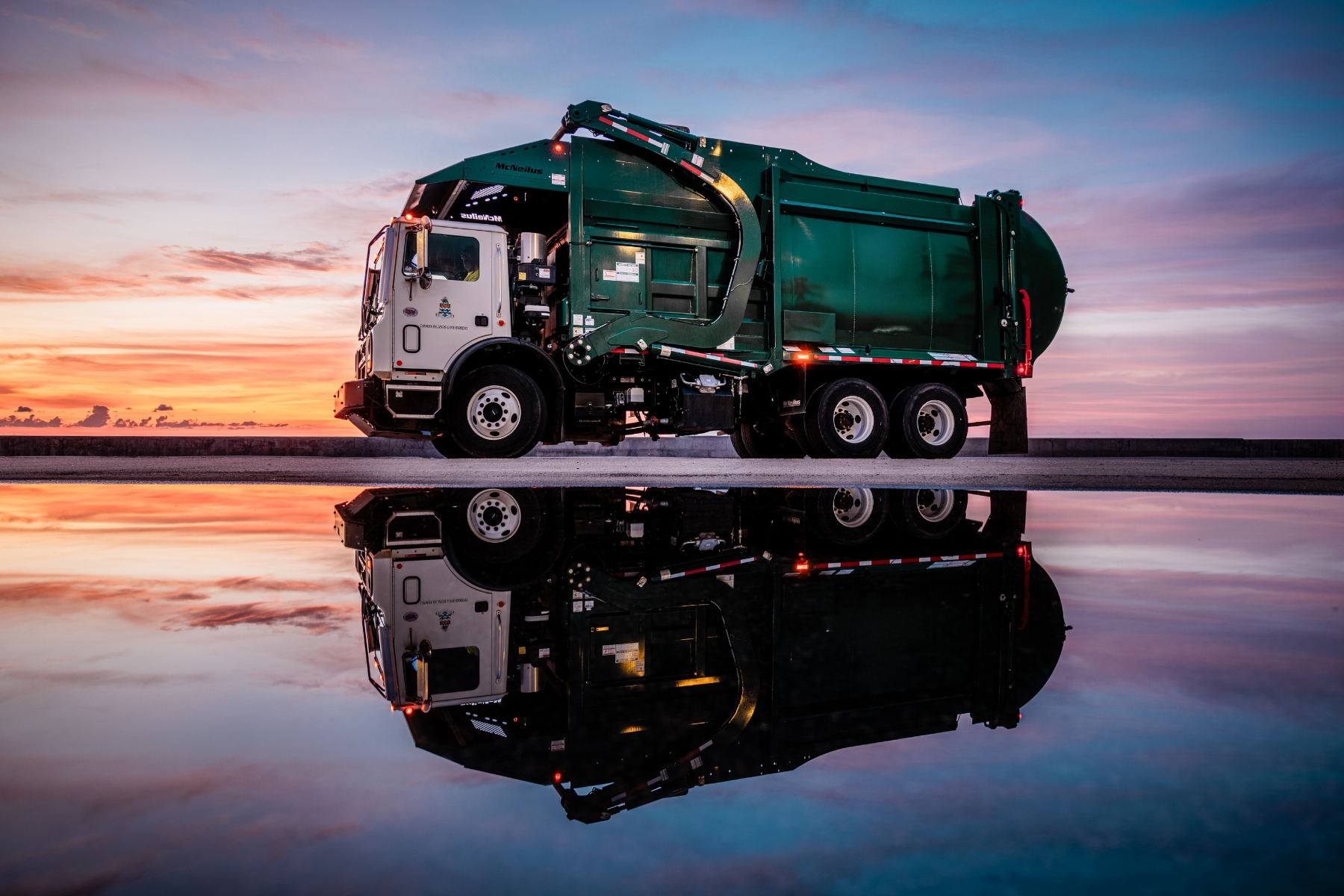
In commercial and municipal waste collection, equipment reliability isn’t a nice-to-have, but a MUST have. It’s the foundation that everything else depends on to keep your business operational. Routes are demanding, environments are unpredictable, and downtime quickly turns into lost revenue, missed pickups, and unhappy customers. That’s why front loaders designed for high-cycle, high-stress work must be engineered differently from the ground up.
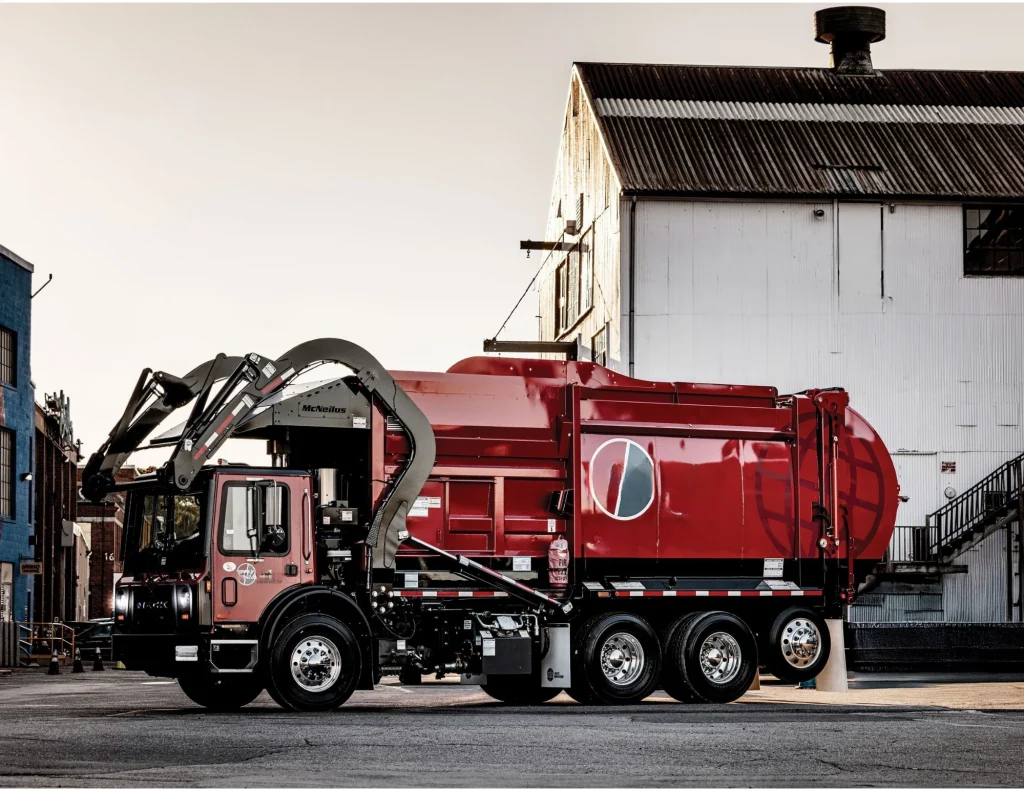
The McNeilus Atlantic front loader is a clear example of this philosophy in action. Rather than focusing on surface-level specs alone, the Atlantic is built to provide maximum durability, structural integrity, and long-term performance. To understand its heavy-duty advantage, you have to look behind the build. Examine how each system is designed to work together under real-world conditions.
Built for the Reality of Commercial Routes
Commercial and industrial routes are some of the toughest environments a refuse truck can face. Unlike residential collection, front loaders often service large containers, handle heavier loads, and run repeated lift cycles throughout the day. The Atlantic Front Loader is designed specifically for that reality.
From the start, the Atlantic platform prioritizes strength where it matters most. It features high-stress areas such as the lift arms, pivot points, body structure, and mounting interfaces are reinforced to withstand constant use. This isn’t overengineering for the sake of it. It’s an intentional design aimed at reducing fatigue, preventing structural failures while extending service life.
For fleet managers, this translates into equipment that holds up over years of demanding operation instead of showing early signs of wear and tear which could prove costly.
Structural Engineering That Prioritizes Longevity
At the heart of the Atlantic’s heavy-duty advantage is its structural design. The body and frame are engineered to handle repeated loading without compromising integrity. Steel thickness, reinforcement placement, and weld quality are all selected with long-term durability in mind.
Rather than relying on lighter materials that may reduce upfront weight but increase fatigue risk, the Atlantic is built to absorb stress over time. This approach reduces cracking, deformation, and costly structural repairs later in the truck’s life cycle which saves your company a substantial amount of money.
In real-world terms, stronger structure means fewer unexpected failures and more predictable performance, especially on high-volume commercial routes.
Lift Arms Designed for High-Cycle Performance
The lift arms on a front loader do far more than raise containers. They endure repeated stress from constantly lifting, lowering, stopping, and stabilizing heavy loads. The Atlantic’s lift arm design reflects this reality and stands up with impressive strength to everything thrown at it.
Key considerations include geometry, reinforcement, and hydraulic integration. The lift arms are designed to distribute the load evenly, reducing stress concentration at critical points along the way. Reinforced pivot areas help maintain alignment over time, which is essential for consistent operation and reduced wear on hydraulic components which could prove expensive if not maintained.
This focus on high-cycle performance allows the Atlantic to maintain smooth, controlled lifting even after thousands of cycles which is why it stands out from the rest.
Hydraulics That Balance Power and Control
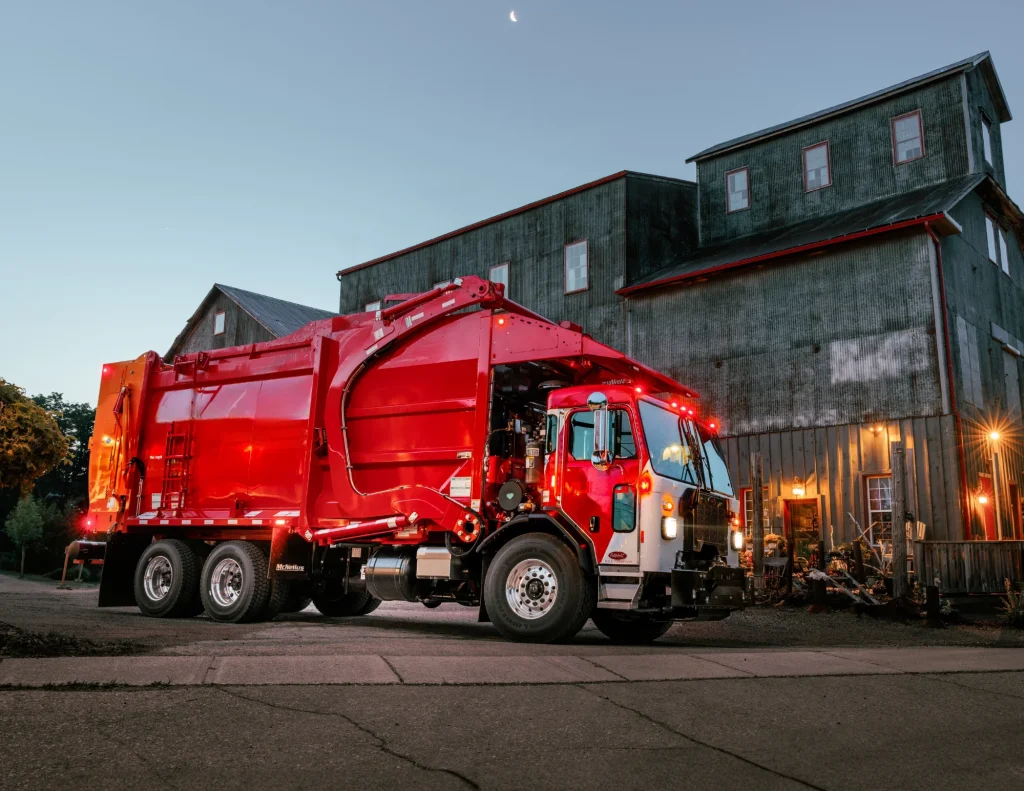
Hydraulic systems are the backbone of front loader functionality. In the Atlantic Front Loader, hydraulics are engineered to deliver the power needed for heavy lifting without sacrificing control or efficiency.
High-quality hydraulic components are selected to handle continuous operation and pressure demands when needed. Valves, pumps, and cylinders are designed to work together and ensure smooth response during lift, dump, and pack cycles. This balance of power and precision reduces shock loading, which helps extend the life of both mechanical and structural components.
For operators, responsive hydraulics mean better control. For fleet managers, they mean fewer breakdowns and more consistent performance across routes.
Integrated Compaction for Real-World Loads
Compaction efficiency plays a major role in route productivity. A front loader that struggles to compact effectively forces additional trips to disposal sites. All of this increases fuel usage and reduces route capacity.
The Atlantic Front Loader incorporates a compaction system designed for dense, consistent loads. The packer mechanism is engineered to handle a wide range of materials, from general commercial waste to heavier industrial debris along the way. . This consistency allows trucks to maximize payload without compromising safety or performance for the fleet.
Over time, improved compaction efficiency directly impacts operating costs and route efficiency.
Designed With Operator Safety in Mind
Heavy-duty equipment must protect the people who operate it. The Atlantic Front Loader incorporates multiple design features that support safe operation in busy commercial environments along the route.
Visibility is a key factor to ensure safety. Cab sightlines are designed to give operators clear views of lift arms, container engagement points, and surrounding areas. This reduces blind spots and helps operators work confidently in tight or congested spaces.
In addition, safety interlocks and control logic help prevent unintended movements during lift operations. These systems are especially important to ensure safety in commercial settings where pedestrians, vehicles, and obstacles may be nearby.
By integrating safety into the build rather than adding it as an afterthought, the Atlantic supports safer daily operations.
Serviceability That Reduces Downtime
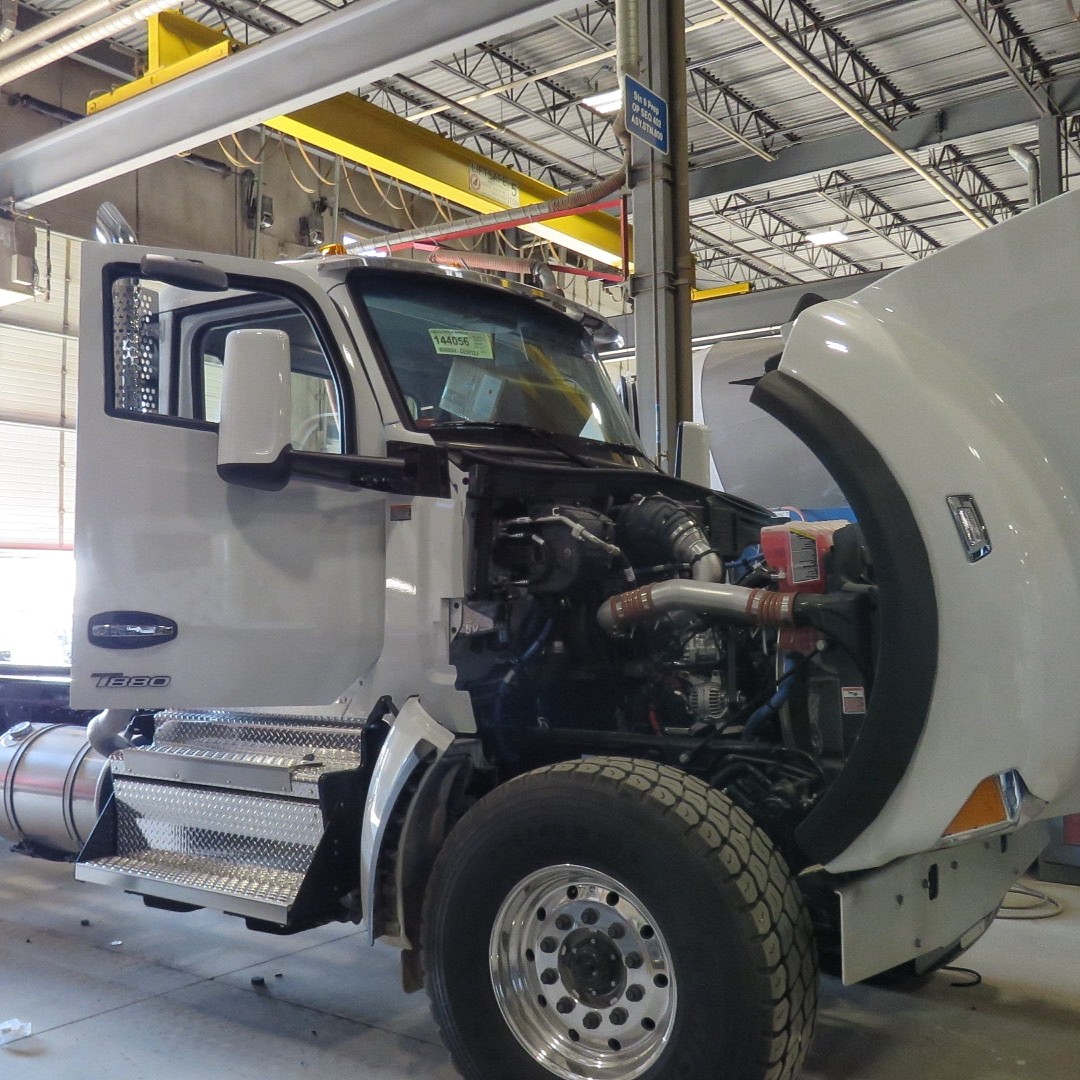
No matter how durable a truck is, routine maintenance is unavoidable and happens even with the best of trucks. What matters is how quickly and efficiently that maintenance can be performed on the truck so your crew is back on the road. The Atlantic Front Loader is designed with serviceability in mind.
Critical components are positioned for easier access, reducing labor time during inspections and repairs. Hydraulic lines, filters, and wear items can be reached without excessive disassembly. This all allows technicians to complete maintenance tasks more efficiently.
The exceptional focus on service access helps fleets minimize downtime and maintain consistent availability, which is especially important for operations with tight route schedules.
Built to Support Preventive Maintenance Strategies
Preventive maintenance is one of the most effective ways to control long-term fleet costs. The Atlantic’s design supports structured maintenance programs by making inspections straightforward and wear patterns predictable.
Consistent component layout allows technicians to quickly identify issues before they become major problems. Predictable wear intervals help fleets plan maintenance schedules and avoid unexpected failures.
Over the life of the truck, this predictability of preventative care reduces emergency repairs and supports affordability.
Adaptability Across Fleet Applications
While the Atlantic Front Loader is purpose-built for demanding routes, it’s also adaptable to a wide range of fleet needs. Different configurations, capacities, and options allow fleets to tailor the truck to specific applications.
This adaptability makes it easier to standardize equipment across a fleet while still meeting the needs of different routes or customer types. Standardization simplifies training, parts inventory, and maintenance processes, all of which contribute to operational efficiency.
Built for Harsh Environments
Commercial waste collection doesn’t happen in controlled conditions. Trucks operate in heat, cold, rain, dust, and debris. The Atlantic Front Loader is designed to perform reliably in these environments.
Material selection, protective coatings, and component placement all contribute to durability in harsh conditions. Electrical systems are protected against moisture and debris. Structural elements are designed to resist corrosion and fatigue.
This environmental resilience is a critical part of the Atlantic’s heavy-duty advantage, especially for fleets operating year-round in challenging climates.
Engineering Backed by Industry Experience
The Atlantic Front Loader reflects decades of experience in refuse body engineering. It’s built by McNeilus, a name long associated with durability and innovation in the waste industry.
That experience shows in the details. From how components interact under load to how systems are laid out for service, the Atlantic is the result of real-world feedback from fleets and operators. This continuous refinement process helps ensure the truck performs as expected in the field, not just on paper.
Lower Total Cost of Ownership Over Time
A heavy-duty advantage isn’t just about strength. It’s about economics. The Atlantic Front Loader is designed to deliver value over its entire service life.
Reduced downtime, efficient compaction, predictable maintenance, and extended component life all contribute to a lower total cost of ownership. While upfront cost always matters, long-term operating expenses often have a much greater impact on fleet budgets.
By focusing on durability and efficiency, the Atlantic helps fleets control costs while maintaining high service levels.
A Platform Built for Long-Term Confidence
When fleet managers invest in front loaders, they’re making decisions that will affect operations for years. The Atlantic Front Loader is built to inspire confidence through consistent performance, rugged construction, and thoughtful design.
It’s not built for ideal conditions or light-duty use. It’s built for the reality of commercial waste collection, where reliability, strength, and uptime are non-negotiable.
Engineered Weight Distribution for Stability and Control
One often overlooked aspect of heavy-duty front loader performance is weight distribution. The Atlantic Front Loader is engineered to manage weight dynamically across the chassis, axles, and suspension, especially when fully loaded and during lift cycles.
Proper weight distribution improves stability during container engagement and dumping, reducing sway and stress on the frame. It also helps maintain predictable handling on uneven pavement or sloped service areas. For operators, this means smoother operation and better control. For fleets, it means reduced wear on suspension components, tires, and steering systems.
Over thousands of routes, balanced weight distribution contributes significantly to lower maintenance costs and longer component life.
Reinforced Stress Points Where Failures Typically Begin
Most long-term equipment failures don’t occur randomly. They happen at known stress points: weld seams, pivot interfaces, and mounting locations that experience repeated load cycles. The Atlantic Front Loader addresses this reality by reinforcing these areas from the outset.
Rather than relying on minimal compliance with load requirements, the design anticipates fatigue accumulation. Reinforced gussets, thicker steel at high-stress joints, and carefully engineered weld patterns help prevent the microfractures that often lead to major structural failures later in a truck’s life.
This proactive approach is a key reason the Atlantic maintains structural integrity over extended service periods.
Container Engagement Designed to Reduce Shock Loads
Every lift cycle introduces force into the system, especially when containers are unevenly loaded or misaligned. The Atlantic’s container engagement design helps minimize shock loads by promoting smoother contact and controlled lifting.
Lift geometry and hydraulic response are calibrated to reduce abrupt movements, which lowers stress on the arms, hydraulics, and body structure. This not only improves durability but also reduces noise and vibration during operation, creating a better experience for operators and surrounding environments.
Reducing shock loads is a subtle but important contributor to long-term reliability.
Consistent Performance Across Varying Load Conditions
Commercial routes rarely deliver uniform loads. One stop may involve light material, while the next may push weight limits. The Atlantic Front Loader is designed to perform consistently across this wide range of conditions.
Hydraulic systems adapt to changing loads without sacrificing control, while structural components maintain alignment under varying stresses. This consistency is critical for fleets that service diverse customer types, from retail and hospitality to industrial and manufacturing accounts.
Predictable performance under mixed conditions helps operators work more efficiently and reduces the likelihood of operator-induced wear or damage.
Built With Fleet Standardization in Mind
As fleets grow, consistency becomes increasingly valuable. Operating multiple models with different layouts, components, and maintenance requirements introduces complexity that drives up costs. The Atlantic Front Loader supports fleet standardization through consistent design principles and component selection.
Standardized layouts make it easier to train operators and technicians. Shared components simplify parts inventory and reduce stocking costs. Over time, this consistency improves operational efficiency and makes fleet management more scalable.
For growing operations, standardization supported by a reliable platform like the Atlantic can be a strategic advantage.
Supporting Long-Term Capital Planning
Heavy-duty front loaders represent a significant capital investment, and fleet managers must think beyond immediate needs. The Atlantic Front Loader is built to support long-term capital planning by delivering predictable performance over its service life.
Durable construction reduces the likelihood of early replacement. Predictable maintenance cycles support accurate budgeting. Strong resale value helps protect capital when it’s time to rotate equipment.
These factors make the Atlantic easier to justify in long-term financial planning, especially for municipalities and private operators managing multi-year equipment strategies.
Reduced Risk Through Proven Design Philosophy
Risk management is a critical concern in fleet operations. Unexpected failures, safety incidents, and extended downtime all carry financial and reputational consequences. The Atlantic’s design philosophy focuses on reducing these risks through proven engineering rather than experimental features.
By prioritizing durability, serviceability, and safety, the Atlantic reduces the likelihood of catastrophic failures. This conservative, reliability-first approach is particularly valuable in operations where missed collections or equipment failures can have immediate downstream impacts.
Lower risk over the equipment lifecycle is a major part of the Atlantic’s heavy-duty advantage.
Designed to Age Predictably, Not Abruptly
One of the hallmarks of well-engineered equipment is how it ages. Instead of sudden failures, wear occurs gradually and predictably. The Atlantic Front Loader is designed with this principle in mind.
Components wear at expected intervals, allowing maintenance teams to address issues proactively. Structural elements maintain alignment longer, preventing cascading failures. This predictable aging profile helps fleets avoid surprises and plan maintenance more effectively.
Predictable aging is often the difference between a truck that supports operations and one that disrupts them.
A Heavy-Duty Platform Built for Confidence
When viewed as a complete system, the Atlantic Front Loader reflects a clear understanding of what heavy-duty really means in refuse collection. It’s not just about thicker steel or higher lift ratings. It’s about how every component interacts under stress, over time, and across thousands of cycles.
From structural engineering and hydraulics to serviceability and safety, the Atlantic is built to deliver confidence. Confidence for operators who rely on consistent performance. Confidence for technicians who need accessible systems. And confidence for fleet managers who need equipment that supports long-term operational goals.
Strength That Shows Up Where It Counts
The heavy-duty advantage of the McNeilus Atlantic Front Loader isn’t a single feature you can point to on a spec sheet. It’s the result of thoughtful engineering, real-world experience, and a clear focus on long-term performance from start to finish.
By looking behind the build, it becomes clear why the Atlantic continues to earn its place in demanding commercial and municipal fleets. It’s built not just to work, but to keep working, day after day, route after route, year after year, without ending.
The Heavy-Duty Advantage, Defined
Behind the build of the McNeilus Atlantic Front Loader is a clear philosophy. Every structural choice, hydraulic component, and system layout found in the truck is designed to support demanding routes and a long lifespan.
That heavy-duty advantage isn’t about a single feature. It’s the result of how the entire truck is engineered to work as a system. For fleets that need dependable performance day after day, the Atlantic represents a front loader built to meet the demands of the job without compromise.
Ready to strengthen your fleet with heavy-duty performance you can count on for your routes and customers? Contact Ten8 Industrial today to learn more about the McNeilus Atlantic Front Loader. Get expert guidance on the right configuration for your operation.