Refuse operations can be complex. That’s why municipalities, private waste haulers, and industrial service providers are turning to connected technology to reduce costs, increase fleet reliability, improve customer service, and maximize productivity. From telematics to predictive maintenance systems and route optimization software, technology solutions can help organizations make smarter decisions with real-time information rather than assumptions.
Connected refuse collection trucks generate massive amounts of data each day. With actionable insights, organizations can monitor vehicle health, track performance trends, cut downtime, improve safety, and extend equipment lifespan. Early adopters who focus on data-driven maintenance strategies have reduced operating expenses while improving service reliability for customers.
Operational Analytics for Waste Collection Experts
As refuse operations grow more complex, learning how to collect and act on important operational data is critical for long-term success. Below, we’ll dive deeper into how organizations can use data-driven strategies to support refuse maintenance and operational efficiency.
What Is Data-Driven Refuse Maintenance?
Data-driven refuse maintenance uses real-time and historical equipment data to inform maintenance practices and service schedules. Rather than performing maintenance on a predetermined schedule, operations teams use information to decide when maintenance is actually required.
Typically, maintenance programs are scheduled based on mileage, engine hours, or calendar days/months. While this works well for some organizations, there’s a good chance maintenance is performed when it’s not needed or failing issues aren’t addressed until they become larger problems.
Data-driven maintenance is possible by using information collected from fleet vehicles, hydraulic systems, compactors, lift mechanisms, engines, transmissions, and more. Operational monitoring systems can alert operators to performance abnormalities and help plan proactive maintenance procedures.
Focusing on data-driven refuse maintenance improves asset reliability, limits downtime, and allows teams to use maintenance resources more efficiently.
Why Is Data Important in Refuse Operations?
Simply put, data matters because it allows organizations to see what’s happening across every aspect of their fleet and daily operations. When leaders don’t have accurate information, they make decisions based on guesswork.
Waste collection entails drivers, routes, collection vehicles, maintenance personnel, fuel usage, customer service, safety programs, compliance regulations, and more. Data helps managers understand how these individual components impact overall operational efficiency.
With operational analytics, organizations can learn:
- Which vehicles experience downtime most frequently
- Which routes are using the most fuel
- Which drivers spend too much time idling
- Which assets require the most repairs
- Which maintenance practices are most effective
By understanding current conditions, companies can create targeted solutions to improve efficiency and cut costs.
How Does Predictive Maintenance Improve Fleet Performance?
Predictive maintenance solutions allow maintenance teams to identify problems before they cause a vehicle to fail. By addressing issues early, organizations can reduce the risk of expensive downtime and ensure vehicles are performing to the best of their abilities.
Refuse trucks work hard each day. Stopping frequently, hauling heavy loads, using hydraulic systems, and navigating challenging terrain can wear on a vehicle quickly. Predictive maintenance focuses on identifying:
- Engine temperature
- Oil condition
- Hydraulic pressure
- Brake performance
- Battery health
- Fuel efficiency
- Transmission performance
Advanced monitoring systems analyze this information constantly and alert maintenance personnel when something doesn’t look right. By performing repairs during scheduled maintenance opportunities, companies can reduce unexpected downtime and expensive emergency repairs.
What Role Does Telematics Play in Waste Collection?
Telematics allows organizations to see where vehicles are located, how they’re performing, and how drivers are operating each day. For many businesses, telematics is one of the most valuable tools when it comes to data-driven refuse maintenance and operational efficiency.
Using a telematics system, companies can monitor performance based on information collected from onboard sensors and vehicle control modules. Not only can managers see where vehicles are located, but they can also track:
- Speed
- Fuel consumption
- Engine diagnostics
- Idle time
- Route adherence
- Driver behavior
- Maintenance alerts
With greater visibility into their operations, organizations can make improvements that boost efficiency and productivity.
How Can Data Reduce Vehicle Downtime?
Small problems left unchecked can cause major — and expensive — vehicle downtime. Maintenance teams can use equipment performance data to diagnose problems early and schedule proactive maintenance.
Breakdowns are never ideal, but they’re some of the most costly issues that waste collection professionals have to manage. Not only do teams lose productive time when a truck is out of service, but they also risk missing collections, paying overtime, damaging customer service ratings, and spending money on emergency repairs.
By identifying problems early, data can help organizations:
- Schedule proactive repairs
- Improve parts inventory management
- Prioritize maintenance for high-risk assets
- Detect wear before components fail entirely
Reducing downtime ensures more collections are completed while maximizing vehicle availability.
How Does Route Optimization Increase Operational Efficiency?
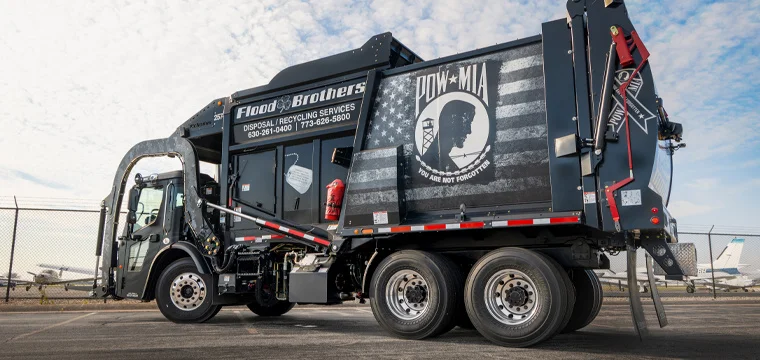
Route optimization software takes data and uses it to create the most efficient routes possible. Not only does this save time each day, but it also reduces fuel consumption and prevents unnecessary wear and tear on collection vehicles.
Traditionally, waste collection routes are designed by experienced employees who know the area best. What they may not know is how traffic patterns have changed or new locations that should be added to the route. Route optimization software uses GPS data, traffic updates, service schedules, and analytics to design efficient routes.
Organizations that use route optimization see:
- Reduced fuel costs
- Decreased vehicle mileage
- Faster collection times
- Happier customers
- Lower emissions
- Minimal equipment wear
Can Data Improve Fuel Efficiency?
Yes! Data can be used to identify inefficient driver behaviors and failing equipment that causes fuel consumption to skyrocket. Fuel is one of the largest expenses in waste collection, which is why reducing consumption is so important.
Analyzing fuel consumption can help managers identify:
- Idling: How long are vehicles idling each day?
- Aggressive driving: Are drivers accelerating and braking too quickly?
- Poor routing: Are drivers taking the shortest route possible?
- Overloaded vehicles: Are vehicles being overloaded?
- Maintenance: Are there any mechanical problems causing a decline in fuel efficiency?
Using this information, managers can improve fuel efficiency and cut some of the largest expenses associated with waste collection.
How Does Driver Performance Affect Operational Efficiency?
Driver performance has a major impact on efficiency because driver behavior can affect safety, fuel usage, vehicle wear, and service quality. Using data-driven fleet management systems, companies can obtain a better understanding of how drivers are operating each day.
By reviewing data related to driver performance, organizations can address problems such as:
- Speeding
- Hard braking
- Too much idle time
- Poor route adherence
With measurable data, it’s easy to create custom training programs that improve overall driving behaviors and reduce risk.
What Maintenance Metrics Should Refuse Fleets Track?
Refuse operations should track any metrics that provide insight into asset health, reliability, and cost of maintenance. By focusing on key metrics, organizations can identify opportunities for improvement and track overall performance.
Metrics that should always be tracked include:
- Mean time between failures (MTBF)
- Vehicle availability
- Repair frequency
- Cost per mile
- Maintenance cost per vehicle
- Fuel efficiency
- Downtime hours
- Parts replacement rates
- Percent of preventive maintenance completed
How Does Data Help Extend Equipment Lifespan?
Data collected from sensors and connected devices can tell organizations how equipment is being used each day. By monitoring this data, operations teams can identify areas where equipment is being mistreated or abused.
Instead of running until something breaks, maintenance teams can use data to run when vehicles are performing optimally. Some ways data reduces wear and tear on vehicles include:
- Prevents overloading
- Eliminates unnecessary idling
- Monitors component stress
- Ensures maintenance is performed at the right time
- Maximizes utilization
Properly maintained vehicles that are driven responsibly should last longer than ones that aren’t maintained correctly.
How Does Data Support Regulatory Compliance?
Monitoring compliance is much easier when you have access to historical data related to maintenance, repairs, safety inspections, and daily operations. Data allows businesses to prove they performed necessary maintenance and always met required standards.
Waste collection companies need to maintain numerous documents that prove they’re following vehicle safety standards, emissions standards, hiring qualified drivers, and more. By using digital maintenance and inspection reports, it’s easy to:
- Prove maintenance was performed
- Verify equipment was inspected
- Monitor emissions levels
- Show compliance was met consistently
- Create audit reports on demand
How Can Data Improve Refuse Fleet Costs?
Collection organizations use data to gain visibility into where money is going and where operations are inefficient. With better information at their fingertips, they can spend their money wisely and get the biggest bang for their buck.
Fuel, labor, maintenance and repairs, replacement parts, insurance premiums, and new equipment purchases are just some of the costs associated with running a refuse fleet. If an organization doesn’t have access to accurate data they won’t know what is affecting their ever-growing expenses.
Analytics platforms make it easy to pinpoint which vehicles are underperforming, which routes use too much fuel, which repairs are needed too frequently, and where there is room for route optimization. Managers can also benchmark performance between vehicles, routes, and regions to identify where they can do better. With continued analysis, fleet managers can decrease operating costs, make more accurate budget forecasts, and choose wisely when it comes to expanding their fleet or replacing old equipment.
What Technologies Are Driving Data-Driven Refuse Maintenance?
Technological advancements have made it possible for waste collection companies to see where their fleets are located, how they’re performing, and who’s driving them each day. With real-time monitoring and historical data, organizations can identify areas for improvement and react quickly when problems occur.
Some of the most popular technologies that support data-driven maintenance include:
- IoT sensors
- Artificial intelligence (AI) Machine learning
- Fleet telematics platforms
- GPS tracking devices
- Predictive analytics software
- Cloud-based maintenance management systems
- Digital inspection reports
How Can Data Improve Refuse Fleet Safety?
Managing refuse fleets comes with unique safety challenges. Vehicles drive neighborhood streets and make frequent stops while working near pedestrians in congested areas. Analyzing data helps companies pinpoint dangerous driver behaviors, equipment failures, and operational risks before they contribute to accidents. Real-time fleet monitoring allows managers to empower drivers and technicians with the information they need to do their jobs safely while protecting the public.
Few trucking sectors are as demanding as waste collection. Refuse haulers can drive hundreds of miles each day, work near children in school zones, and make thousands of stops during each shift. Telematics technology provides data that can identify patterns of speeding, harsh braking or acceleration, distracted driving, and more.
Safety managers can leverage this information to create focused safety coaching and communications around safe driving best practices. Diagnostic data from vehicles can alert managers to maintenance issues that pose safety risks, like worn brakes or tires and abnormal hydraulic pressures. Operational and maintenance data can help companies eliminate accidents, reduce liability risks, and boost overall fleet safety performance.
What Makes Real-Time Monitoring Useful in Refuse Operations?
Having real-time monitoring allows you to see exactly what is happening with your fleet and equipment right now. You can take action on situations as they occur rather than waiting for something to go wrong.
The refuse industry works around the clock with conditions constantly changing throughout the day. Trucks breaking down, missed routes, traffic delays, and faulty equipment are just some issues that affect service. By using real-time GPS tracking software, dispatch and fleet managers can view where all vehicles are located at any moment and monitor the operating status while being alerted the moment an issue occurs.
This increased visibility into the field allows for quicker reaction time to problems and optimal deployment of resources. Should something happen to one of your vehicles, nearby trucks can be deployed to cover the area while maintaining route times. Another benefit of real-time tracking is keeping customers informed with accurate service and collection times. Real-time monitoring allows you to respond quicker to events as they happen which leads to increased efficiency.
Data Can Help Back Up Sustainability Goals and Initiatives
Fuel reduction, decreased emissions, improved routing, and prolonged equipment life are some examples of how data can help organizations reach sustainability goals and initiatives. Many times there will be financial benefits as a result of improved operations decisions.
Local municipalities and private waste management companies are feeling a lot of pressure these days to increase their environmental sustainability. Driving less unnecessary miles, reducing idle time and increasing fleet efficiency can all be opportunities found through analyzing your data. Simply using route optimization software can drastically cut back on miles traveled while still providing proper service to customers.
Predictive maintenance programs can also keep trucks running properly and prevent waste of fuel on inefficient machinery. Sustainability metrics like greenhouse gas emissions, fuel consumption, and vehicle utilization can all be tracked with data. Use data driven improvements to help your refuse operation not only become more environmentally friendly but overall better at what it does including cutting costs.
What Does the Future of Data-Driven Refuse Operations Look Like?
The future of refuse operations is connected, automated, and driven by data. Waste collection companies that implement advanced fleet analytics and predictive maintenance technologies will gain a competitive advantage over organizations that don’t.
Predictive maintenance and AI will begin to anticipate maintenance needs while real-time monitoring systems will send instantaneous alerts when things aren’t working properly. Operational analytics will become even more critical as companies strive to boost efficiency and cut operating expenses.
Data-Driven Refuse Maintenance and Operational Efficiency Explained
Insights into data-driven refuse maintenance and operational efficiency can help organizations improve sustainability, efficiency, and reliability. By investing in modern maintenance technologies and connecting their fleets, waste collection companies can improve equipment reliability, optimize resource allocation, and provide better service to customers.
Need more information on how technology can improve refuse operations? Contact Ten-8 Industrial today to learn more about our maintenance software and IoT sensor solutions.