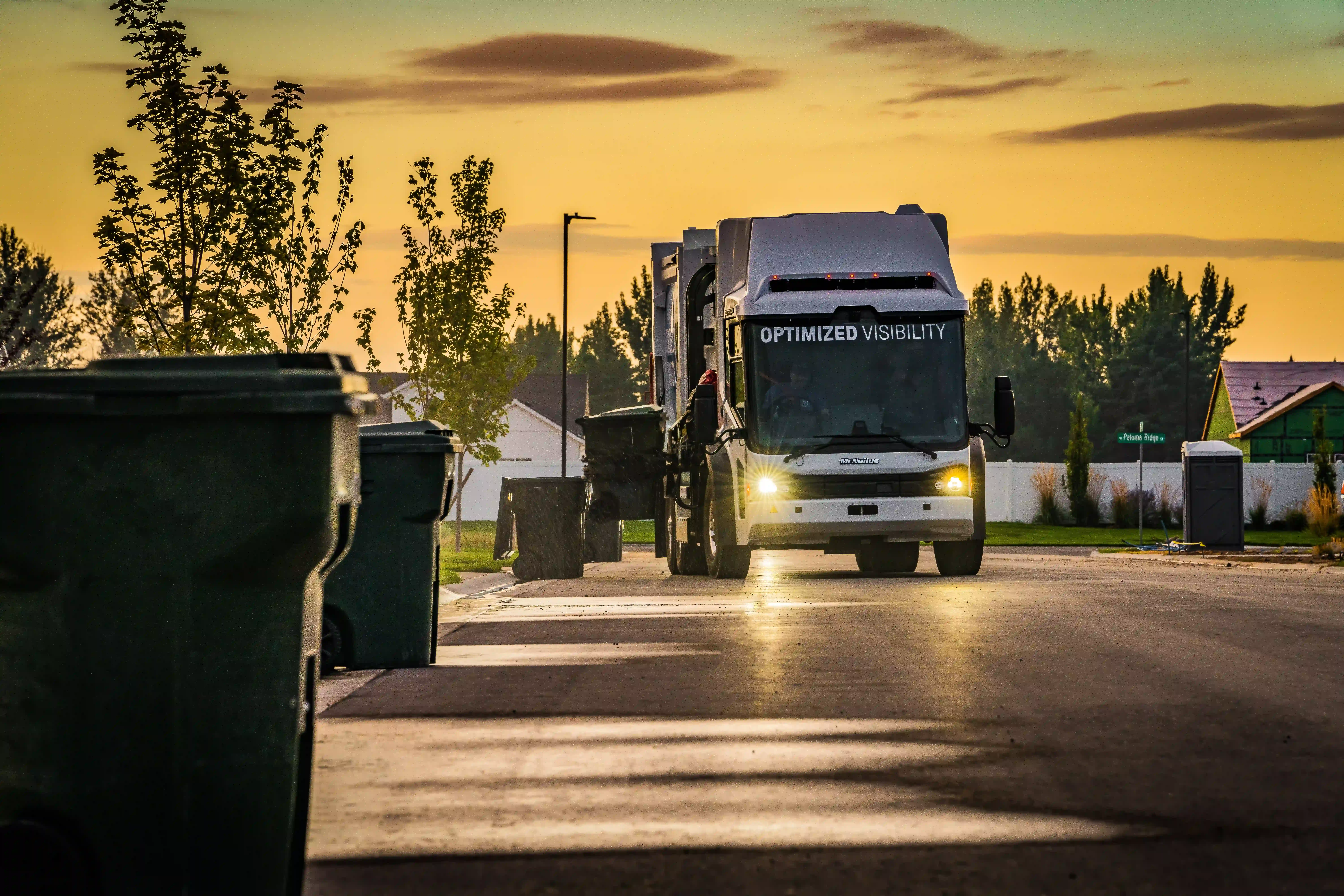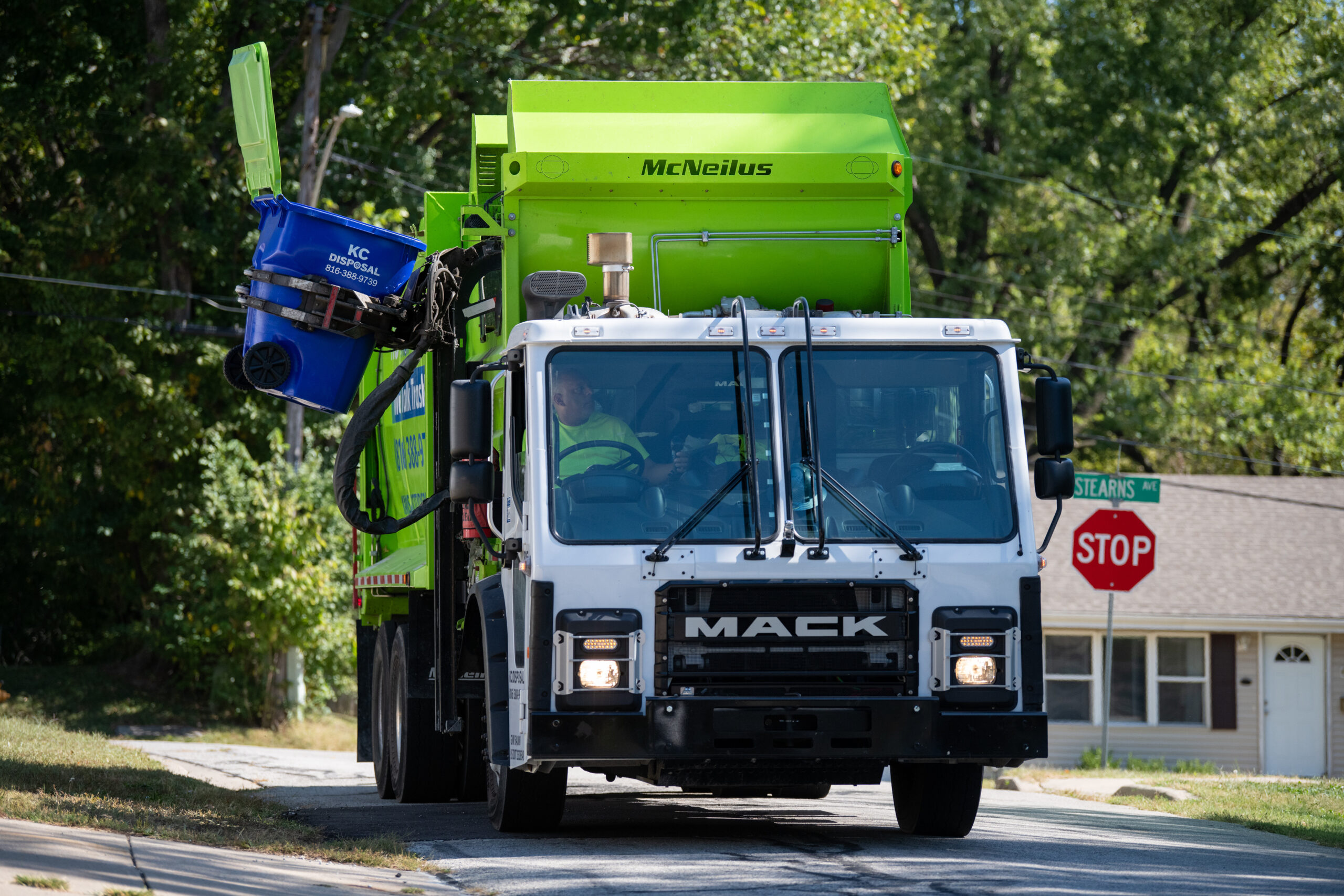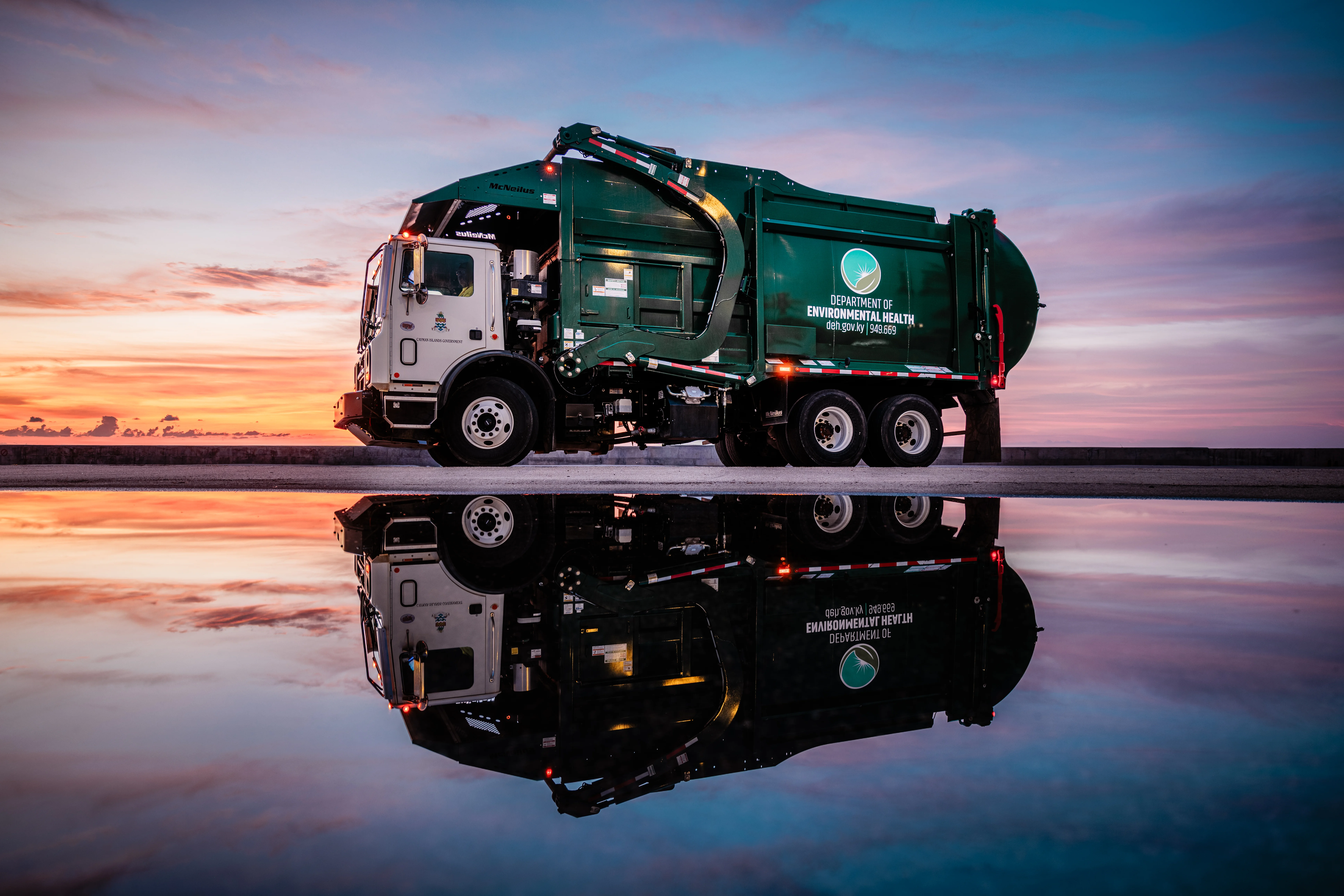
If you run a refuse fleet, your day is measured in stops made, carts lifted, and routes finished on time every day. The easiest way to keep the wheels turning is also the least glamorous. It involves daily and weekly maintenance. Believe it or not, but five quiet minutes in the yard can save five painful hours on the side of the road which can quickly add up in mounting costs and business reputation damage.
Below is a simple, field-tested routine any crew can follow to keep your fleet of refuse trucks on the road rolling. Then we’ll talk about the bigger picture which is how to embrace the new wave of technology showing up on modern trucks without drowning your team in complexity. Also remember: when you need backup, Ten-8’s service centers and mobile service trucks are ready to roll, with OEM McNeilus parts on the shelf to speed up repairs.
Start Simple: A Walkaround With Purpose

Every shift should start with eyes and ears on the truck. Walk it once, front to back before making the decision to handle the route and hit the road.
- Check tires for cuts, bulges, and low pressure. Uneven wear points to alignment or suspension problems which can quickly become expensive.
- Scan the ground under the truck closely. Fresh spots of oil, coolant, or hydraulic fluid are red flags. Catching a problem today prevents a blown hose tomorrow.
- Flip every switch. Check the headlights, turn signals, brake lights, backup alarms, beacon, dash warning indicators to confirm they’re working. If a light stays on, don’t ignore it. It’s the truck asking for help so provide it with the maintenance and the repairs needed to keep going safely.
This is basic, but it’s the foundation to staying in operation and maintaining success. A consistent walkaround creates muscle memory, and the same tech will spot small changes early.
Fluids First: Hydraulics, Engine, Cooling, and More
Hydraulic systems do the heavy lifting on a refuse truck. For a deeper look at this topic, common hydraulic failures in refuse trucks covers this in detail. Low fluid or the wrong fluid shows up as slow arms, chattering valves, or premature wear.
- Verify hydraulic oil level and condition. Milky fluid means contamination; dark fluid can mean heat. Top off with the right spec only.
- Check engine oil and coolant levels, and take a second to look at the coolant color and clarity. Top up washer fluid and clear glass to maintain safety.
These two-minute steps can prevent roadside calls and angry residents waiting on missed pickups.
Put ClearSky™ Telematics To Work (So It’s Not All On The Driver)
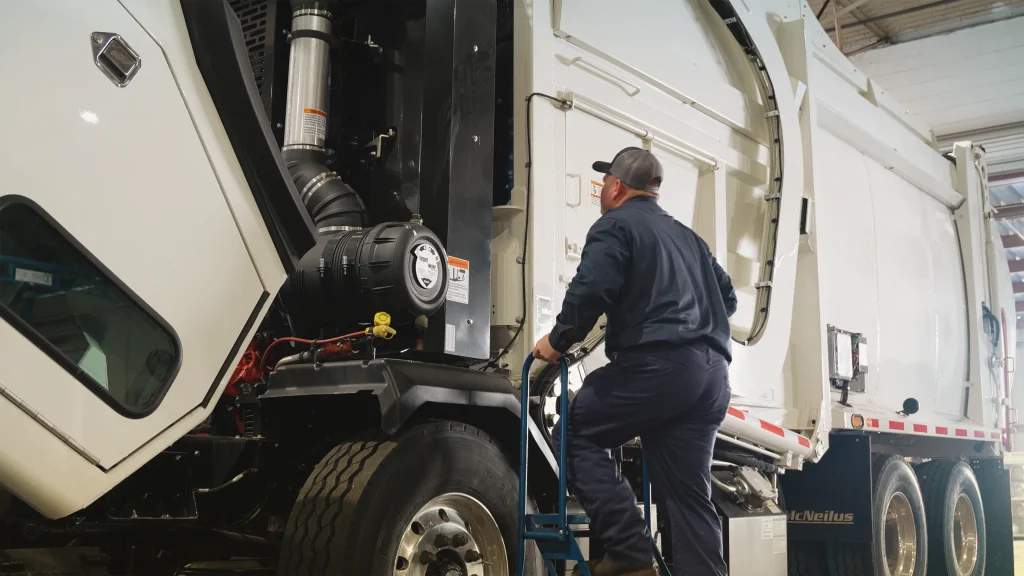
Most newer McNeilus trucks ship with ClearSky™ telematics integrated into the electrical and hydraulic systems. For a deeper look at this topic, the role of telematics in managing a refuse fleet covers this in detail.
If your fleet has it, use it.
- Real-time alerts can flag low fluid, temperatures trending up, or sensor faults before a driver notices a change in feel.
- Because the system is wired into the truck, you’re not guessing. You see what the truck sees, and you can pull a breadcrumb trail of vehicle performance to understand patterns by route, by operator, and even by day.
This isn’t about turning drivers into data analysts. It’s about giving your maintenance lead a quick dashboard to decide: “Run it and schedule this for tonight,” or “Ground it now and swap trucks.”
Clean & Clear: Small Habits, Big Payoff
Trash is dirty work, but the truck doesn’t have to be. A few cleaning habits protect visibility and can extend machine life.
- Clear debris around the packer, arms, and tracks. Grit is sandpaper. Leave it, and it chews up seals, rails, and paint letting rust quickly develop.
- Wipe windshields, mirrors, and camera lenses to keep them clean. Modern vision systems are only as good as the glass in front of them. Clear views prevent bent bumpers and help keep drivers and pedestrians safe.
Without a doubt, five minutes at the wash bay pays back for months.
Brake Check Before You Roll
It doesn’t matter whether your rig uses air brakes or hydraulics, test them every morning to ensure they are functioning.
- Confirm buildup and release on air systems. Listen for leaks. If pedal travel feels long or the truck pulls, stop and report it.
- Don’t normalize odd sounds. If you have to turn the radio up to ignore a squeal, the truck is telling you something you’ll end up hearing anyway.
Why This Routine Works
Does the routine sound too easy and you are wondering why it works. Well the answer is simple. You’re building a predictable feedback loop: driver observations + telematics data + service follow-through. That loop keeps minor issues from turning into overtime, tow bills, and unhappy residents when they become big issues. It also feeds your parts planning. If ClearSky shows lift arm pressure creeping higher across several routes, you know to stock the right seals and pins before you need them (because eventually you will).
And when something does go sideways, Ten-8’s got your back. Our service centers are staffed by techs who work refuse trucks every day, and our mobile service trucks can meet you in the yard or on the route. Because we stock OEM McNeilus parts, you’re not waiting days for a ship-from-somewhere-else component. We get you back on the road faster.
Bridging The Gap: How Fleets Can Embrace Emerging Refuse Technology
Daily and weekly checks keep today’s fleet running smoothly. But what about tomorrow? Electric platforms, automated side loaders, AI-assisted cart recognition, and CAN-bus diagnostics are already here. For many teams, that’s exciting and overwhelming at the same time.
Here’s a practical way to adopt new tech without disrupting your service levels.
The Challenge
It’s true, new refuse trucks promise lower operating costs, cleaner neighborhoods, and safer routes.
They also introduce change to your crew and staff.
- Operators face new and different screens, buttons, and even modes.
- Fleet managers worry about learning curves and potential downtime.
- Shop techs need to add software skills to their wrench skills which could take time to master and require training. .
Admitting those potential roadblocks to a slow transition up front makes the rollout honest and manageable.
Start With A Pilot Route
Pick one or two routes with experienced operators and supportive supervisors. Spec the truck for those routes, set clear success metrics (missed stops, average route time, fuel or energy use, near-miss incidents), and run a 60 to 90-day pilot. Use ClearSky to collect comparable data from your legacy trucks to show the “before and after.”
Train In Small, Repeated Doses
One long training day doesn’t stick.
Instead we suggest:
- Do short, hands-on sessions at the truck. Cover pre-trip, packer operation, auto-arm do’s and don’ts, camera use.
- Shadow the first few shifts. Let a trainer ride and coach the driver side by side.
- Build quick reference cards and place them in the cab. Make them simple, laminated, and grease-proof.
The goal is confidence. When operators feel comfortable, they’re safer and faster.
Bring Your Shop Along
Modern trucks are rolling networks. Put your technicians on the right footing:
- Introduce CAN-bus basics and the specific diagnostic workflows for your make and model.
- Use ClearSky to show how fault codes map to real parts and procedures.
- Establish a standard. If a code pops, record it, screenshot it, and tie it to the work order. That builds a knowledge base you own and can use.
If you need a jumpstart, loop in our team. Ten-8 can train your techs on the platforms you run and help set up a sensible preventive maintenance schedule that blends old-school inspections with smart diagnostics that you can really use.
Stock Parts With Purpose
New technology doesn’t change the old truth: the right McNeilus parts, right now, and keep trucks moving. Partner with a distributor that carries the OEM components your fleet uses most such as cylinders, pins, hoses, sensors, cameras, and switchgear. Ten-8’s inventory of McNeilus parts is curated around common failures and maintenance intervals, so you’re not stuck waiting on critical items.
Keep The Humans At The Center
It’s easy to make the conversation about software.
The best programs keep it about people:
- Drivers benefit with safer steps, fewer manual motions, and clearer visibility.
- Residents enjoy quieter trucks, fewer leaks, and on-time service.
- Techs receive clearer diagnostics, better documentation and less guesswork.
When your team sees the benefits in their day, adoption sticks and they end up loving it.
The Takeaway
Our advice is to start with the basics: a focused walkaround, fluid checks, quick cleaning habits, and a real brake test. Let ClearSky telematics catch what human eyes might miss. When something does break, lean on Ten-8’s service centers and mobile service crews so you can get the repair done faster with OEM McNeilus parts.
Then, when you’re ready to bring in the next generation of trucks, take a pilot approach. Train in short bursts, support your shop with the right tools and data. Also, keep score with real numbers. You’ll bridge the gap to new technology without sacrificing the reliability your community expects.
Need help setting up a preventive maintenance plan, rolling out ClearSky, or speccing your next refuse truck? Ten-8 Fire & Safety is here to help. Our technicians, mobile service units, and OEM McNeilus parts inventory are at your service. Let’s keep your routes on schedule, today and tomorrow.